It’s the holiday season…

Are you feeling festive yet? If not, let me help you along a little…

We think of presents and good cheer during this season, egg nog, and chestnuts roasting on an open fire (thanks, Nat King Cole). But have you ever thought about Santa Claus? I mean, really thought about Santa Claus and what he does? One day I did, and I wrote this:           

Santa Claus.  Kris Kringle.  Jolly Old Saint Nick.  Father Christmas.  St. Nicholas, the real-life 4th century bishop who gave gifts to the needy.  You’ve likely referred to the gift-giving rosy-cheeked man in red by one of those names in your lifetime.  You probably also know the 1823 poem titled “’Twas the Night Before Christmas” by Clement Clarke Moore – if you’re of a certain age, you likely know parts of it by heart.  But have you ever stopped to think about what you’ve (ok, we’ve) recited year after year as you sit and contemplate your Christmas tree?  Have you ever thought about the actual words?  Let’s.  Just for a little while, let’s.

Moore talks about a lovely night; the kids are asleep and a simple man and his wife have just laid down to close their own eyes when a sound jolts him from his sleep, causing him to investigate.  You know the rest – flying reindeer, one of which has a glowing nose, a bottomless sleigh of gifts, and a portly old gent who breaks into the house to see what’s what… Twilight Zone-level stuff.  Spooked yet?  No?

Wait… there’s more.

If the idea of someone puttering around your house while you sleep isn’t enough to scare you silly, think about what song writers have added to the lore over the years.  The holiday ditty “Santa Claus is Coming to Town” admonishes children to keep a stiff upper lip and be good because Santa is coming to town.  It goes on to remind them that he sees kids when they are asleep and that they’d better be good… for goodness sakes.  “Here Comes Santa Claus” cautions kids to get into bed and cover their heads because Santa is on his way.

Um… what?

On its face, the lyrics are disconcerting; it’s easy to catch stalker vibes a la the Police’s “Every Breath You Take” but think about it for a second.  Let those lyrics resonate…

What kind of otherworldly, omniscient, shapeshifting (because how does he get into houses without a chimney, I ask you?  How’d he get past the home security system?  How’d he…) weirdo is looking inside your house, your very room –  everyone’s room – to know when you are sleeping?  Following you, peeking into your mind to find out what you’ve done and to whom, waiting to mete out punishment for the “bad” deeds? 

Keep it going – what kind of magic does Santa possess to make it to the house of every kid in the world and leave them a gift before Christmas morning… in every time zone? 

How’d he find you if you weren’t at your own house for Christmas? 

And we’re ok letting kids believe in this home-invading conjurer – so much so that we feed him too?

It’s ok…

Maybe he only practices the good kind of magic…

M-maybe the stories about getting a lump of coal in your stocking for doing bad things is the worst of it…     

Can’t get that out of your mind now, can you? LOL You’re welcome!

What are you favorite Christmas movies? Surprisingly, my top five only has Gremlins from the horror side of the house. Home Alone 1, Die Hard (fight me), and Jingle All The Way, and The Polar Express are faves around here. I can give a nod of appreciation to Silent Night and Black Christmas, but they don’t top my list. Surprised?

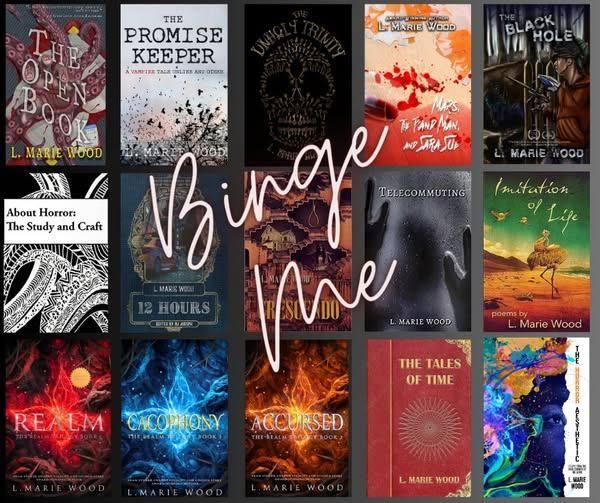
Have you finished shopping? No? (me neither, but shhh!) I have an idea for you… give the gift of books!! They are a fantastic way to indiulge the book lover in your life. I have a few you might like:

Just for fun, buy a book box and I will put together a surprise for you. Every box will have at least 3 things – ALL SIGNED – and a gift. Click here or the picture to pick yours up today!

Have a wonderful holiday, however you celebrate!

Until next time…

L. Marie

Conversations with Horror Film Directors on Creating Terror

Image created in Canva.

Making a horror film that really terrifies an audience is no small job. It’s a delicate balance of tapping into deep-seated terrors, telling a compelling story, and using technical elements to manipulate emotions. Horror film directors are like maestros of fear, orchestrating every element to leave viewers jumping out of their seats—or losing sleep for days. To explore this dark art, we turn to conversations with some of the best minds in the genre. Here’s what these masters of horror have to say about crafting fear on screen.

The Psychology of Fear: Understanding What Terrifies Us

What scares folks most? Horror directors know the answer lies in understanding our universal fears. John Carpenter, the genius behind Halloween and The Thing, believes horror reflects society’s anxieties. In an interview with The New Yorker, Carpenter explained, “Horror is a reaction; it’s a way of dealing with the unexplainable.” Whether it’s fear of isolation, the unknown, or losing control, horror directors weave these themes into their films, creating stories that resonate on a primal level​.

Ari Aster, director of Hereditary and Midsommar, dives even deeper into psychological trauma. His films explore grief, family dynamics, and how emotional pain can manifest as literal horror. Aster says, “If you can make the horror personal, it becomes inescapable. You can’t just close your eyes to it—it’s already inside you.” This focus on relatable, human terrors makes his work both scary and unforgettable.

Building Unease Through Atmosphere

A horror movie is nothing without atmosphere. The way a scene looks, feels, and even sounds can make all the difference in a horror movie. Curtis Harrington, director of Night Tide, once said, “A mood that lingers is what truly haunts the viewer.” This is achieved through clever cinematography—low lighting, long shadows, and unsettling camera angles that make you feel like you’re being watched​.

James Wan, known for The Conjuring series, is a master of using space to create tension. He explains that it’s not just about jump scares. “It’s about anticipation. If you build suspense, you don’t even need to show the monster—the fear is already there.” By showing just enough and letting the audience’s imagination fill in the blanks, Wan keeps viewers on the edge of their seats throughout the film.

The Role of Sound in Horror: More Than What You See

If you think horror is all about what you see, think again. Sound is one of the most powerful tools for creating terror. Jeffrey Reddick, creator of the Final Destination series, credits sound design with making or breaking a scare. “A single eerie creak or the absence of sound altogether can raise the tension tenfold,” he says​.

Consider A Quiet Place, where silence becomes both a tool and a weapon. Director John Krasinski turned sound into a central character. The absence of noise draws viewers into the characters’ horror, while sudden, sharp sounds jolt them out of their seats. This innovative approach proves that less can sometimes be more when it comes to horror.

Practical Effects vs. CGI: Keeping It Real

While CGI has made many things possible, practical effects remain a staple in horror movies. David Charbonier and Justin Powell, directors of The Boy Behind the Door, swear by practical effects for authenticity. “There’s something visceral about seeing real, tangible scares on screen,” they argue. “It hits differently than digital effects.” Think of classics like The Exorcist—its rotating head and pea soup vomit are legendary precisely because they were done practically​.

Modern films like The Babadook continue to use practical effects to stunning results. Director Jennifer Kent kept her titular monster grounded in real-world design, making it both believable and deeply unsettling.

Character Development: Making the Audience Care

Good horror isn’t just about scares—it’s about the people experiencing them. Warren Dudley, director of Fright, emphasizes that well-written characters are essential. “If the audience cares about the characters, their fear becomes real,” he says​. Films like Get Out and The Descent showcase this beautifully, making you root for the protagonists while dreading what comes next.

Jordan Peele, the visionary behind Get Out and Us, excels at this. By creating relatable characters and placing them in terrifying situations, Peele keeps viewers emotionally invested, ensuring the scares hit harder.

Innovative Storytelling: Going Beyond the Jump Scare

Horror as a genre has evolved, and today’s filmmakers are finding new ways to tell scary stories. Scott Beck and Bryan Woods, co-writers of A Quiet Place, explore existential fears alongside traditional scares. “Horror can be layered,” they explain. “It’s not just about the immediate terror—it’s about the dread that lingers after the credits roll.” This approach has given rise to “elevated horror,” where scares are intertwined with deeper themes like grief, identity, and social commentary​.

Horror as a Reflection of Society

Many horror films serve as mirrors to societal fears. From the Cold War paranoia in Invasion of the Body Snatchers to the social commentary in Candyman, directors use horror to address contemporary anxieties. Pascal Plante, director of Red Rooms, explores themes of voyeurism and digital addiction, tackling fears unique to our internet age. “Horror is a way to process the unsettling parts of modern life,” he explains​.

The Future of Horror: What’s Next?

The horror genre is constantly reinventing itself. Mike Flanagan, director of The Haunting of Hill House and Midnight Mass, believes horror’s future lies in its storytelling. “We’re moving beyond the monster,” he says. “It’s about exploring the horrors of being human.” Flanagan’s work often blends supernatural elements with real-world struggles like addiction and grief, offering a more nuanced take on the genre​.

Emerging directors are also experimenting with technology. Virtual reality horror experiences are on the rise, offering audiences an immersive way to confront their fears. The boundary between film and gaming is blurring, promising a future where horror becomes even more personal—and terrifying.

Final Thoughts: The Art of Fear

Horror films are more than just scares—they’re a reflection of our deepest fears and a testament to the creativity of their makers. Through a mix of psychological insight, technical mastery, and storytelling innovation, directors continue to push the boundaries of what’s possible. Whether it’s the unnerving silence of A Quiet Place, the social commentary of Get Out, or the atmospheric dread of The Conjuring, horror remains a genre that evolves while staying true to its roots.
If you’re a fan of horror, take a moment to appreciate the craft behind the scares. These directors are more than filmmakers—they’re architects of fear, building worlds designed to haunt our dreams.

Love what you just read? Pin it for later and share the inspiration! Click the image below post this pin to your favorite board and help others discover it too. 😊📌

Sources:

  1. https://www.newyorker.com/culture/the-new-yorker-interview/john-carpenter-is-still-scary
  2. https://www.newyorker.com/magazine/1980/01/28/people-start-running
  3. https://www.theguardian.com/film/2019/jun/28/horror-director-ari-aster-hereditary-midsommar-terrors
  4. http://www.terrortrap.com/interviews/curtisharrington/
  5. https://variety.com/2021/film/reviews/the-conjuring-the-devil-made-me-do-it-review-patrick-wilson-vera-farmiga-1234985235/
  6. https://www.hollywoodreporter.com/tv/tv-features/war-conjuring-disturbing-claims-behind-a-billion-dollar-franchise-1064364/
  7. https://collider.com/final-destination-jeff-reddick-favorite-performance-comments/
  8. https://www.nme.com/features/film-interviews/ari-aster-interview-beau-is-afraid-horror-3444684
  9. https://www.newyorker.com/culture/richard-brody/the-silently-regressive-politics-of-a-quiet-place
  10. https://bloody-disgusting.com/reviews/3834557/push-review-the-boy-behind-the-door-filmmakers-unleash-more-mature-horror/
  11. https://www.theatlantic.com/podcasts/archive/2023/10/what-scares-jordan-peele/675777/
  12. https://variety.com/2020/film/news/quiet-place-scott-beck-bryan-woods-sam-raimi-sony-1234596803/
  13. https://ew.com/tv/midnight-mass-mike-flanagan-journey/
  14. https://borrowingtape.com/interviews/red-rooms-interview-with-film-writer-director-pascal-plante

… And just like that…

It’s awards season again! I’ve had the honor of being included in some amazing magazines and anthologies this year, as well as had a few of my solo projects release.

If you are part of the voting membership in the Horror Writers Association (Stoker Awards), the Science Fiction and Fantasy Writers Association (Nebula), and the Science Fiction Poetry Association (Elgin, Rhysling), this information might be of interest to you. The following works are eligible this year:

Long Non-Fiction (HWA):

Title: The Horror Aesthetic: Essays from the Dark Corners of the Genre

Publisher: Mocha Memoirs Books           

Date: October 2024

Short Non-Fiction (HWA): 

Title: Blacks in Horror and Cultivated Bias

Anthology/Volume: No More Haunted Dolls: Horror Fiction that Transcends the Tropes

Publisher: Vernon Press   

Date: May 2024

Title: Why A Quiet Place: Day One is the Perfect Movie – Horror or Otherwise

Publisher: NightTide Magazine

Date: July 2024

Long Fiction (Novella) (HWA, SFWA):

Title: 12 Hours

Publisher: Raw Dog Screaming Press

Date: January 2024

Poetry (HWA, SFPA – Elgin, SFWA):

Title: Imitation of Life

Publisher: Falstaff Books   

Date: April 2024

Poem (SFPA – Rhysling):

Title: This House

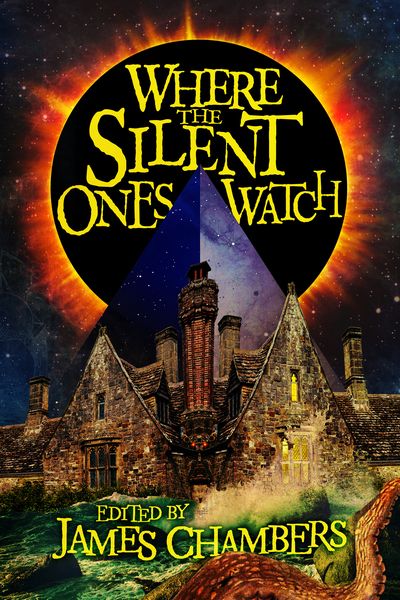
Anthology: Where the Silent Ones Watch

Publisher: Hippocampus Press

Date: October 2024

Short Fiction (HWA, SFWA): 

Title: “Amore”

He watches. He waits. He sees. He prepares.

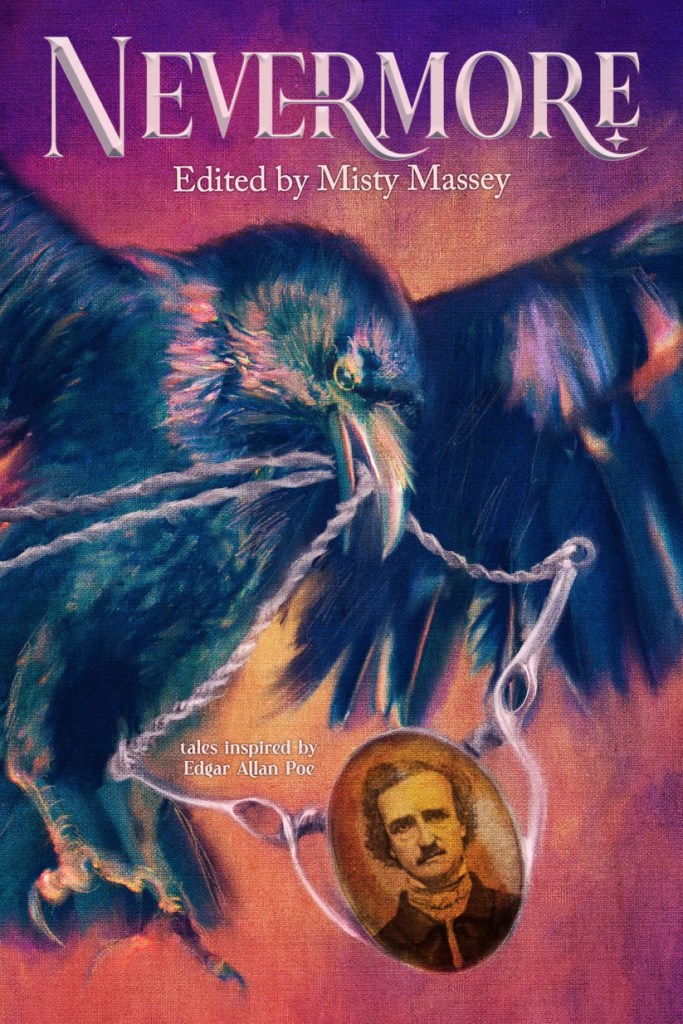
Anthology: Nevermore

Publisher: Falstaff Books

Date: April 2024

Title: “Beggars Can’t be Choosers”

They’re here.  They’re ready to consume. And he’s ready to feed them.

Anthology: Beyond the Bounds of Infinity

Publisher: Raw Dog Screaming Press

Date: July 2024

Title: “Jacob Street”

A couple’s response to confusion, loss, and a creeping darkness.

Publisher: Magazine of Fantasy and Science Fiction

Date: August 2024

Title: “The Facility”

Like a sentinel, it has always been there, until one day…

Publisher: House of Gamut

Date: August 2024

Title: “Model Home”

What goes on in the model home after closing, stays in the model home… right?

Publisher: Sudden Fiction Podcast

Date: August 2024

Title: “Real Science Shit”

That’s one way to do it…

Anthology: Dark Spores: Stories We Tell After Midnight 4

Publisher: Crone Girl Press

Date: December 2024

Comment if you would like to receive a copy for consideration.

Thanks folks!

Until next time,

L. Marie Wood

Whatchu Know About This? 13

Writer and professor, Lisa Wood, offers a comprehensive deep dive into the study of horror fiction. With importance placed on knowing the history of the genre and how integral to storytelling research is, this textbook will serve as a referenceable guide for anyone interested in writing in the horror genre. This work, which is accessible and detailed at the same time, offers
practical scenarios and industry secrets alongside subgenre review and creative writing instruction.

This textbook gives you the tools you need to craft horror fiction that will challenge the reader as well as frighten them.

BUY NOW!

Whatchu Know About This? 12

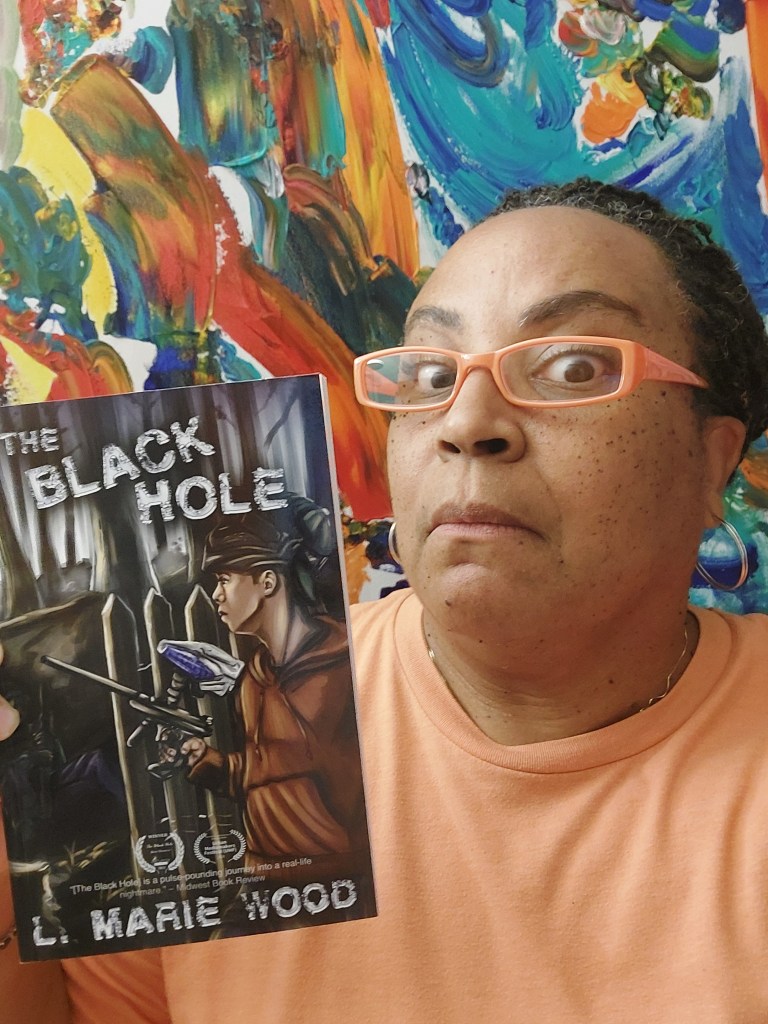
A group of friends head out to enjoy a much-deserved night out and paintballing is on the menu. But the team they are playing against has something entirely different in mind.

The friends find themselves in a battle for their lives in unfamiliar terrain against well-equipped opponents whose motivations are both irrational and lethal.  Considered, “… a true trip into the darkest depths of what mankind is capable of at its worst,” by Midwest Book Review, this story is a classic tale of prey combined with slasher film “edge-of-your seat” vibes with a little modern-day relevance to keep you unsettled.

BUY NOW!

Whatchu Know About This? 11

Bloodshot eyes stare at me curiously, peering out of one of those ski masks that cover your whole face. It wasn’t cold enough for that kind of thing – I don’t even think I’ve ever seen one of those in the stores around here. Must have bought it online. Just black. No design, no pattern – nothing to remember. Just black. The eyes are black too. Is it a girl?  A guy?  I don’t know. Thin shoulders, knobby even through the jacket. Like clothes hanging off a skeleton. That’s a weird-assed thing to think of, but that’s what it seems like.

BUY NOW!

Whatchu Know About This? 10

“THE OPEN BOOK is a mind-twisty and wonderfully weird work of horror that wraps its tentacles around you and will not let go! Highly recommended!”

Jonathan Maberry, NY Times bestselling author of PATIENT ZERO and KAGEN THE DAMNED

BUY NOW!