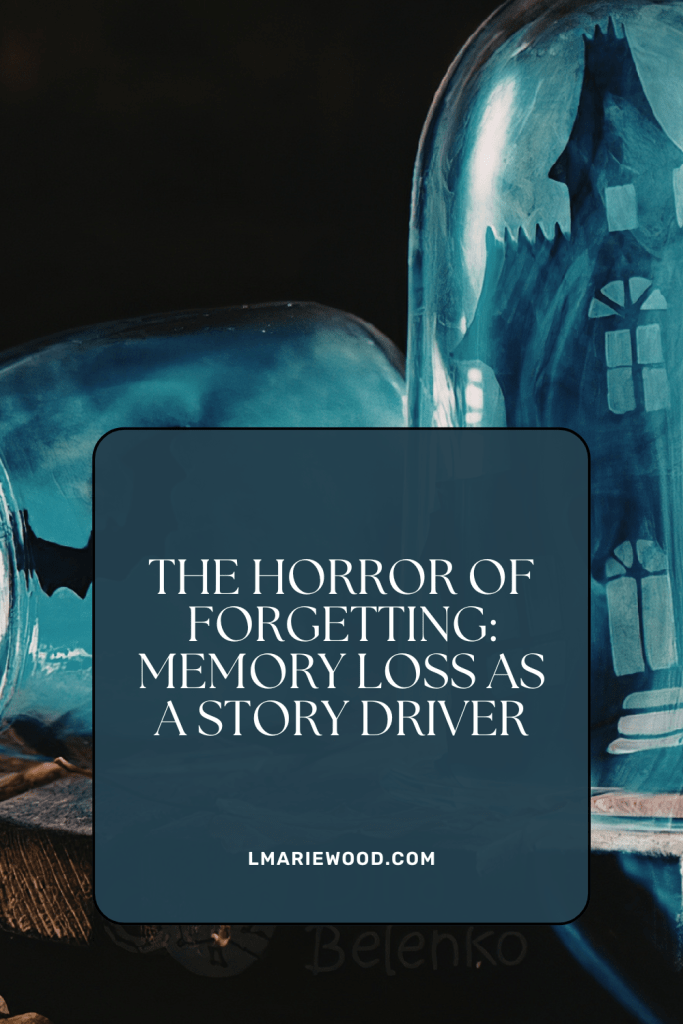
The Horror of Forgetting: Memory Loss as a Story Driver

Created in Canva.

Forgetting isn’t just forgetting facts — it can be a terror in itself. Memory loss can unravel identity, twist trust, shatter reality. In horror, using memory loss as a central device can transform the familiar into uncanny, make the self uncertain — and turn every memory into a trap. This post explores how writers can use memory loss to fuel horror that is psychological, intimate, and deeply unsettling.

Why Memory Loss Is Terrifying

Memory shapes identity. It roots us in reality. Remove or distort it — and everything becomes unmoored. Horror built around memory loss threatens not just life, but self. The protagonist may forget who they are, who others are, what’s real — and the ground shifts underfoot.

Memory loss creates uncertainty — about truth, relationships, history, trust. The familiar becomes alien. As horror-writing advice suggests, breaking characters’ sense of reality and leveraging psychological dread — not just external threats — can produce the most resonant horror.

When identity, memory, and perception become unreliable — horror becomes existential, discomforting, and deeply personal.

1. Decide What’s Forgotten — And What Remains

Memory loss in horror can take many forms: total amnesia, fragmented recollections, lost childhood memories, suppressed trauma, shifting memories, false memories, or memory distortion over time. As a writer, decide what kind of memory loss you employ — and what remains intact.

Maybe the protagonist remembers everyday tasks, but nothing about last year. Maybe they have childhood memories, but forget recent relationships. Maybe they remember people — but not why. That uncertainty sets the stage for dread.

Clear boundaries (even if vague) between what’s remembered and what’s lost help build suspense, as both reader and character try to reconstruct reality — piece by piece.

2. Use Memory as a Motivation and Pressure Point

Loss of memory can be celebrated — but in horror, it usually comes with stakes. Maybe the protagonist must remember something vital — a name, an address, a secret, a past event — or pay dire consequences. That pressure adds tension and emotional stakes.

Alternatively — memory loss can be the horror itself: people, past actions, or trauma erased. The protagonist slowly realizes something important is missing — perhaps intentionally wiped, perhaps lost. The search becomes dread.

As writing guides recommend for horror stories: strong stakes + emotionally invested characters + internal conflict = lasting horror.

3. Make Memory Loss Affect Relationships, Trust, and Reality

Memory loss doesn’t only affect protagonist’s mind — it affects bonds. Friends or family may be strangers now. Past harms or sins may be forgotten. Trust becomes unstable.

This relational instability turns interpersonal conflict into horror. You might not know who helped you — or who hurt you. Someone could betray you; you might not remember why. That ambiguity becomes deeply unsettling.

4. Use Unreliable Memory + Unreliable POV — Let Readers Doubt Reality

If your narrator doesn’t remember — neither does the reader. This is fertile ground for unreliable narration. Clues, flashbacks, hints — perhaps real, perhaps imagined.

Use sensory detail, subtle inconsistencies, fragmented memories, distorted reflections, false memories. Let the reader — like the protagonist — question what’s real. Horror rooted in uncertainty often lingers longer than explicit terror. Horror-writing experts highlight atmosphere, sensory ambiguity, psychological dread over gore.

5. Build Tension Through Memory Triggers & Fragments

Use triggers — scent, sound, place, weather, object — to hint at memories resurfacing. A burned photograph, a smell, a forgotten tone, a recurring dream. Each fragment raises questions, unease, dread.

But be careful with pacing. Drop memory fragments slowly. Let dread simmer. Let the protagonist — and reader — explore, doubt, reconstruct. Horror becomes gradual, internal, and disquieting.

Effective horror pacing means alternating slow‑burn tension with sudden conviction or revelation.

6. Use Memory Loss to Distort Time and Reality

When memory fails, time loses meaning. Maybe days blend together. Maybe past and present feel interchangeable. Use this to create disorientation.

Time distortion — long stretches of hazy memory, repeated days, deja‑vu — can make the mundane uncanny. Setting becomes untrustable. Reality becomes porous. Horror thrives in that uncertainty.

7. Connect Memory Loss to Themes: Identity, Guilt, Trauma, Loss

Memory loss is more than a plot device. It can reflect deeper themes: guilt, regret, trauma, identity crisis, forgotten pasts, generational trauma, suppressed secrets. When horror explores these themes — beyond just fear — it resonates emotionally.

Horror that crawls under the skin — through psyche, memory, self — tends to stay. Emotion + dread = power.

8. Decide: Is Memory Loss The Horror — Or Just a Mechanism?

Memory loss can be the horror itself: the horror of losing self, losing past, losing reality. Or it can be a mechanism — a tool — that enables other horror: forgotten trauma, unknowable monster, hidden truth, cosmic horror, cursed past.

Decide early — that shapes tone, pacing, stakes, reveal, climax.

9. Use Ambiguity, Suggestion, and Leave Some Gaps

Sometimes what you don’t answer — what remains uncertain — is most terrifying. Don’t explain everything. Let gaps linger. Let memory remain broken. Let doubt persist.

Horror thrives on what’s unsaid — on what readers don’t know. Use suggestion, subtlety, sensory triggers, haunting absence.

As horror-writing advice often notes: atmosphere, unease, suggestion often out-scare outright horror or gore.

10. End with Uncertainty or Fragment — Let Horror Stay

Your story doesn’t need a tidy ending. Memory doesn’t have to restore. Maybe only fragments return — incomplete, unreliable, haunting. Maybe protagonist escapes — but forgets something forever. Maybe they remember — but it’s wrong.

An ending that leaves memory fractured, reality ambiguous — often feels more disturbing, more human, more real. Horror lingers.

Sources:

How to Write Horror – With Cynthia Pelayo

How to Write a Horror Story  

Bringing the Macabre to Life: Techniques for Writing Effective Horror Scenes

How to Write Horror: The Basics of Crafting Terror  

The Art of Creating an Inevitable Doom — Using Fate and Foreboding in Horror

Created in Canva.

What if readers know — from the beginning — that doom is coming? Not a hopeful struggle, not rescue, not escape. Just inevitability. Horror shaped around fate and foreboding taps a different kind of fear: dread, hopelessness, the creeping certainty that there’s no way out. In this post, we explore how to craft horror where doom isn’t just possible — it’s inevitable.

Why Inevitable Doom Terrifies

Most horror relies on chance — jump scares, threats, escape. But inevitable doom flips that: doom isn’t avoidable. It’s a weight pressing quietly from the first page. This certainty triggers a different fear: not panic, but resignation — dread, helplessness, existential terror.

Inevitable horror resonates because it mimics real fears: mortality, aging, loss, unstoppable fate, time slipping away. Horror that doesn’t promise salvation feels more personal, more inescapable.

1. Set the Tone Early — Let Readers Sense Doom Before It Happens

From the start, drop subtle hints: foreshadowed events, recurring omens, odd coincidences, subtle tension beneath calm. Let readers realize — slowly — that something is coming, and there’s no clear escape.

This sustained sense of foreboding builds psychological tension. The dread lingers, unrelenting.

2. Use Foreshadowing, Symbols, Repeated Motifs — Make Horror Feel Predestined

Use repeating symbols: flickering lights, blood stains cleaned but reappearing, locked doors slowly rusting, mirrors with cracks, uncanny reflections, sound motifs. These recurring details create a web of inevitability — doom feels systemic, unavoidable.

Symbols and motifs connect scenes, subtly but persistently hinting that doom isn’t random — it’s woven into setting, fate, and history.

3. Leverage Time & Change — Decline, Decay, and Unwinding Stability

If the story spans time, show decline. Physical surroundings decay. Relationships degrade. Sanity erodes. Stability unravels. Time becomes enemy.

Every small loss, every hint of decay — marks progression toward inevitable doom. The slow unraveling makes horror feel real and tragic.

4. Use Character’s Internal Struggle — Despair, Guilt, Fatalism

Characters facing inevitable doom drift psychologically. Despair, guilt, denial, denial turning into acceptance. Their mindset becomes part of horror — not just external threats, but internal surrender.

That internal collapse — mental, emotional — deepens horror. Readers dread not just events, but mindset. Horror becomes existential, not just physical.

5. Build Atmosphere of Isolation, Silence, Oppression — Environment Mirrors Doom

Setting should reinforce inevitability. Closed doors, decaying walls, oppressive architecture, unchanging cycles, silence that stretches, dim light, claustrophobic spaces.

Environment becomes inescapable womb of doom. No escape. No refuge. Horror becomes a cage — physical and psychological.

6. Balance Quiet Despair with Occasional Hints of Hope — Then Shatter Faith

Occasionally, let the character — and reader — glimpse hope. Perhaps a door seems open; a memory seems comforting; a possible escape seems close. Then pull the rug. That hope — however faint — builds emotional stakes. Its collapse resonates.

Hope + collapse = deeper horror. The betrayal of hope intensifies doom.

7. Use Subtlety, Uncertainty, and Restraint — Don’t Over‑Explain

In doom‑horror, you don’t always need explicit monsters or gore. Sometimes the dread — the inevitability — is enough. Keep things vague. Make threats ambiguous. Let the reader’s imagination do the work.

Ambiguity sustains dread. What’s coming isn’t fully defined — but you sense its shape. That uncertainty — combined with inevitability — haunts.

8. Engage Long-Term Psychological Horror — Horror That Doesn’t End

Unlike horror that ends with a monster defeated or escape, doom-focused horror can end with change, decay, acceptance, or even quiet tragedy. The horror doesn’t vanish — it lingers. Maybe the character survives — but is broken. Maybe world continues — forever twisted.

This lingering horror — existential, psychological — often stays longer than overt scares.

9. Choose Point-of-View That Heightens Emotional Weight — Close, Intimate POV

First-person or close third-person POV works best. Readers live the dread, the resignation, the sinking feeling of doom. Their thoughts, fears, memories — all become part of horror.

Detach POV, and you lose intimacy. Doom becomes concept. Intimate POV makes doom personal.

10. Make the Horror Meaningful — Doom as Metaphor

Inevitable doom works best when it reflects human fears: time, death, loss, memory, decay, change, guilt, regret. When doom isn’t just a plot device — but a metaphor for existential truths — horror becomes poignant, tragic, and memorable.

Stories about unavoidable fate tend to leave lasting impact — because they tap into universal anxiety.

Sources:

The Art of Fear: Creating Atmosphere and Setting in Horror Writing

Horror Writing: Arcs and Pacing Techniques

How to Write a Horror Novel

How to Write a Psychological Horror Story

Boo! Core Elements of a Horror Story

It’s HERE!!!

Book Two… SHE’S HERE!!!!

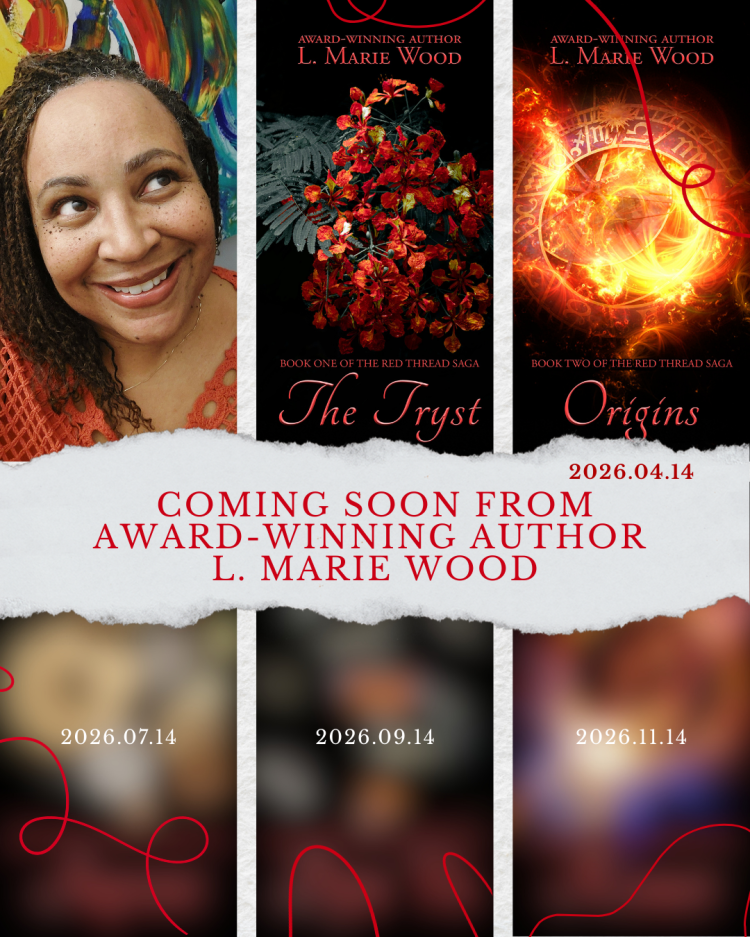
I am over the moon to welcome Origins to the world! This is book two of the rapid release EPIC five-book saga coming out this year and she is a beauty. Look at this amazing cover by Maya Preisler:

In Book One (The Tryst) we met Nicole, Eric, and Marc who set us on this incredible journey of discovery and passion. Origins (Book Two) shows us what lurks in the dark corners, untouched by the rays of the sun.

Back cover copy:

Three people living separate lives, unaware of each other with plans that would never make their paths cross… until they did.

Origins, book two of The Red Thread Saga, goes back to the beginning finding Nicole, Mark, and Eric before they met each other – before they ever came to be – all the while navigating the mind of a tortured soul who knows more than she should. Confined within the walls of a psychiatric ward discreetly tucked away in the woods of Tennessee, Patricia’s presence haunts the facility, affecting all who come into contact with her and casting a pall that reaches beyond the brick and mortar to caress her estranged husband’s face. And she’s still angry about what happened.

The second book of a genre-bending experimental series that challenges the way you think about love, life, connection, and purpose, Origins brings forth psychological horror that will cling to you – that will whisper in your ear as you try to sleep, even as it lays the foundation for a beautiful love affair.

This is psychological horror. This is drama. This is a thriller. This has romantic elements. And don’t forget the heaping helping of sci-fi.

This is SLIPSTREAM.

Some of the most enthralling storytellers of our time shared their thoughts on Origins:

“The most captivating story of the year continues in Origins, Book Two of the Red Thread Saga. Wood’s incredible craftsmanship pulls the reader deep into a world of her design. A world where desire swims with darkness, where grief and regret face a reckoning, and intrigue underlines every word. Enthralling and unsettling, make this your must-read series of the year!”

Candace Nola, author of Shadow Manor

Origins is a mesmerizing story of fate between people whose lives are destined to intersect and connect throughout space and time. Their fears, anxieties, and nightmares build to a heart stopping finale that’ll leave you breathless. Delve into the dramatic worlds of L. Marie Wood, a maestra of poetic storytelling!”

Rena Mason, three-time Bram Stoker Award® winning author of The Evolutionist

It is a wild ride, friends. Come see why! Origins is available in print, ebook, and (soon) audio.

Need to catch up? Grab your copy of The Tryst (Book One) and read them back to back. It is available in print, ebook, and audio.

A moment in time… insignificant and fleeting for most, but for Nicole, Mark, and Eric, it is life-altering. Three strangers meet in a town they don’t know in a place they hadn’t expected to end up only to find that they are exactly where they were supposed to be… again.

Love always finds a way.

Through space and time, past and future, through lifetimes and storylines they were destined to find each other, love each other, lose each other – coordinates and weapons, scenarios and demographics be damned. A malfunction, to be sure. But when Ryan tries to tinker with his project, a weapon the likes of which has never been seen in all of the Galactic Collaborative, he finds out just how inexorable their link is… and how insidious.

Love always finds a way.

But sometimes that way is paved with bones.

By the time you’re done with both of these, Book Three will be ready! Wanna see the cover for Imprint?

Nah… not yet! 🙂 But here is the schedule – Imprint (Book Three) will be out on July 14th!

WOOT!

Until next time…

L. Marie

The “Something Is Wrong” Opening — How to Nail It

Created in Canva.

Ever flicked on a horror story and immediately felt uneasy — even before you understood what was wrong? That creeping suspicion, that whisper of “something is off,” is a powerful hook. This article shows how to write an opening that unsettles readers from the very first line — using subtle distortions, sensory clues, and emotional misalignment to prime dread, even before the horror reveals itself.

Why the “Something Is Wrong” Opening Hooks — and When It’s More Terrifying Than a Jump‑Scare

Jump‑scares yell “look over here!” and deliver shock — which can be effective, but often fade quickly. A “something is wrong” opening quietly burrows under the skin. It plants a seed of unease. It sets up internal dissonance. Instead of fear, readers feel suspicion, tension, and instinctual dread.

Psychological horror thrives on uncertainty, ambiguity, and mental discomfort. Early clues that don’t resolve right away — sounds you can’t explain, shadows that move too softly, the wrong smell in familiar rooms — invite readers to fill in the gaps with their own fears. This kind of horror lingers.

Starting with subtle wrongness works because horror isn’t announced — it’s implied. The reader’s mind becomes the instrument of dread.

1. Begin with Normal — Then Skew the Familiar

The best “something is wrong” openings begin in the ordinary: a kitchen at night, a quiet street, a family gathering, a daily commute. That baseline comforts — but also sets up vulnerability when things begin to tilt.

Once everything feels safe, start skewing details: a faucet drip when the sink’s dry, a floorboard that creaks under no weight, a smell you can’t place, lights flickering for a fraction of a second, subtle unease in a conversation. These small distortions accumulate — and because they’re familiar things gone odd, they ring louder in the mind. Horror‑writing guides urge using the mundane as horror’s launching pad.

The key: use small, believable details — not overt supernatural or gore — to undermine comfort.

2. Engage the Senses — Use Smell, Sound, Touch as Atmospheric Clues

Visual horror is obvious. But the most primal unsettlement comes from senses we don’t always notice: sound, smell, temperature, texture. A stale scent in a room, a distant hum, the feel of cold air where there should be warmth — these draw readers in without them realizing.

For example: describe a musty odor that lingers despite a closed window — or a soft rhythmic drip from somewhere unseen. The immediate reaction: confusion, discomfort, wonder. The reader’s brain starts filling in possibilities.

By grounding horror in sensory detail, you shift from “reading a scene” to “experiencing a moment.” The wrongness becomes internal and physical.

3. Show Emotional — and Psychological — Subtext: Let the Reader Sense Dread, Not Just See It

It’s not just the world that can feel wrong — the character can feel it too. Maybe a character feels distant when talking to a friend, or senses a tremor of guilt when entering their childhood home, or has a vague, nameless dread after waking from a dream.

Using internal emotional cues builds discomfort on two levels: the external (what’s happening) and the internal (how the character feels). That dual layer deepens horror. Psychological‑horror writing advice suggests blending setting, inner turmoil, and small distortions to unsettle the reader on multiple levels.

When the protagonist’s mind feels unstable — perhaps because memory is hazy, or they’re overly tired, or grief weighs heavily — the uncanny becomes believable. Reality begins to wobble.

4. Seed Questions, Not Answers — Leave Clues, Not Explanations

One of the strengths of a subtle opening is mystery. Don’t explain the wrongness right away. Don’t yet define the threat. Instead, seed questions: Why does the smell linger? Where did that sound come from? Why do I feel watched?

Ambiguity engages the reader’s imagination — often more effectively than explicit horror. Many horror‑story frameworks emphasize that letting readers imagine the worst can be more terrifying than describing it.

Keep details sparse but suggestive. Let shadows linger on the page. Let silence stretch. Let curiosity — and dread — grow.

5. Use Pacing, Rhythm & Structure to Build Unease — Control Timing to Manipulate Fear

How you structure your opening matters. Too much description too soon — you risk boring or desensitizing. Too abrupt — you risk shock that might feel cheap. Instead, slowly drip in details. Use pacing to build tension.

Open with calm. Then one oddity. Pause. Then another. Let unease accumulate. Use sentence structure to mirror tension: longer descriptive passages for serenity, then shorter, clipped sentences as wrongness creeps in. This contrast between calm and distortion creates psychological dissonance. Horror writing guides recommend this rhythmic build for maximum impact.

Avoid over-explaining or rushing. Let dread arise from silence, implication, and what’s left unsaid.

6. Ground Horror in Character Investment — Make Readers Care Before the Unease Deepens

An opening can unsettle — but to make it stick, readers need to care about who’s experiencing the wrongness. Introduce a character with relatable normalcy: routines, relationships, desires, vulnerabilities. Then, disturb that familiarity.

Once readers emotionally invest, the creeping wrongness cuts deeper. Horror becomes personal. Stakes feel real. Fear becomes empathy. Horror writing experts highlight strong empathetic characters + familiar settings + creeping horror as a blueprint for lasting dread.

When readers care — every floorboard creak, every hint of decay whispers danger, not just ambiance.

7. Blend Internal and External Conflict — Let Mind and World Collide

For maximum effect, combine external wrongness (setting, sensory distortion, odd events) with internal uncertainty (memory, guilt, grief, suspicion). As internal and external bleed together, the line between reality and fear blurs.

This blurring makes horror existential. The protagonist — and reader — don’t know whether what they perceive is real, a memory, or fear. That ambiguity intensifies dread. Psychological horror craft often leans on this merging of internal and external conflict.

Uncertainty becomes the horror. Not what you see — but what you feel, what you doubt, what you imagine.

8. Keep the Payoff Delayed — Build Slow Creep, Not Instant Clarity

Don’t rush the reveal. Let the subtle wrongness simmer across pages — or chapters. Let tension build layer by layer. The longer the delay, the heavier the dread when the horror finally emerges.

Delayed payoff respects the reader’s imagination. It gives space for dread to grow internally. Horror becomes more psychological — rooted in expectation, fear, and the unknown — rather than spectacle. Many horror writing guides argue this slow-burn approach sustains tension longer than straightforward scares.

The “something is wrong” opening doesn’t grab you with screams or blood — it creeps in under calm. It unsettles by making the familiar feel wrong. By blending sensory distortions, emotional unease, subtle hints, and character investment — you can make readers turn the page not just because they want to know what’s happening, but because the wrongness has already begun to seep under their skin.

Start your horror not with a bang — but with a whisper. Let dread build from the cracks.

Sources: 

The Art of Fear: Creating Atmosphere and Setting in Horror Writing

How to Write a Horror Story: 5 Tips for Writing Horror Fiction

How to Write a Psychological Horror Story

How to Develop a Scary Atmosphere for a Horror Story

Storyville: Writing Psychological Horror

How to Use Weather to Shape Fear in Fiction

Created in Canva.

Weather isn’t just backdrop — it can be horror’s silent accomplice. The patter of rain, the howl of wind, the weight of snow, the choking fog, the sudden thunderstorm — weather can shape mood, manipulate pacing, distort perception, and become as terrifying as any monster. In this article, I’ll show how writers can intentionally use weather to amplify fear, mood, and horror in their fiction.

Why Weather Matters — Mood, Atmosphere, Vulnerability, Unpredictability

Weather touches everyone. We sense it bodily — cold, heat, damp, wind, smell, pressure. It’s universal. When you manipulate weather in horror, you tap primal vulnerability: humans are dependent on environment. Unfamiliar, hostile, oppressive weather can highlight fragility, make characters feel powerless, evoke dread that’s both external and internal.

Moreover — weather evokes memory, mood, and emotional associations. A heavy storm at night feels more ominous than a clear sky. Fog obscures, hides, distorts. Wind carries whisper‑like noises. The familiar becomes strange. Horror thrives in that uncertainty. Horror‑writing guidance notes: setting — including weather — is as powerful a character as any monster.

1. Match Weather to Emotion & Theme — Make Weather Reflect Inner States

If your character is anxious, lost, sad — match weather accordingly. Use cold wind, rain, grey skies, oppressive humidity, fog — weather becomes metaphor for their internal dread.

For fear of isolation — dense fog, snowstorm, blizzard, endless rain. For memory loss or confusion — shifting weather, wind that distorts sound, rain that blurs vision, storm that mirrors inner chaos. For guilt or grief — mist, drizzle, cold damp.

When weather mirrors emotion, horror becomes layered: internal fear plus external environment working together. The result is immersive dread grounded in psychological realism.

2. Use Weather to Obscure, Distort, Hide — Let the Unknown Lurk

Fog, rain, snow, wind — these obscure sight and hearing. They distort shapes, muffled sounds, shifting silhouettes. What lurks beyond visibility? What moves just out of focus?

This uncertainty amplifies fear. Fire a flashlight in fog — you might see nothing. Hear a sound in wind — maybe it’s just branches, maybe something else. Use ambiguous weather to create mystery, doubt, paranoia.

Horror techniques often emphasise “fear of unknown + uncertainty + human vulnerability” as core terror drivers.

3. Use Weather to Limit — Isolation, Entrapment, Helplessness

Harsh weather can trap characters: flooded roads, snow blocking exits, storm knocking out power, blizzard burying signposts, stormy seas, etc. Isolation breeds fear.

When characters can’t leave, can’t call for help, when environment itself becomes threat — the stakes rise. Horror becomes less about an external monster — more about survival, vulnerability, desperation, and what people will do under pressure.

Many horror‑writing guides recommend using environmental limitations to raise stakes, reduce comfort, and intensify psychological tension.

4. Use Sensory Impact — Sound, Smell, Touch, Temperature, Light

Weather affects every sense. Rain’s smell: damp earth, mildew, ozone after thunder. Wind: whispering trees, rattling windows, creaking wood. Cold: skin prickling, breath visible, lungs tight. Fog: moisture on skin, blurred outlines, muted colors.

Leverage these details. Use weather to immerse the reader physically. Horror that hits through senses — not just imagination — often feels more real. Horror writing advice emphasizes sensory detail, atmospheric immersion, and physicality for maximum effect.

5. Use Weather to Alter Time & Perception — Slow Down, Stretch Out, Disorient

Weather can distort time: storms that last days, endless rain washing out clocks, fog that blurs sun and moon, snow that muffles footsteps and sound. Under such conditions, time feels stretched, rhythm breaks, disorientation sets in.

This distortion — shifting time perception — can make horror disquieting. Reality becomes fluid. Characters lose track of days, hours. Memory falters. When perception shifts, sanity becomes unstable.

Horror authors often employ environmental distortion and unreliable senses to destabilize reality and immerse readers in dread.

6. Combine Weather with Setting & Mood — Reinforce Horror Through Environment

Use weather in tandem with setting: an old house on a hill, battered by wind and rain; a forest shrouded in mist; a coastal town under a storm; an isolated cabin in snow-heavy woods. Let setting and weather merge into one oppressive atmosphere.

The environment becomes hostile, unpredictable — a cage. Horror becomes not just what’s in the house or forest — but what the forest, house, weather conspire to create. This setting-as-character technique is a cornerstone of atmospheric horror writing.

7. Use Weather to Foreshadow and Symbolize Horror — Build Dread Early

Weather can foreshadow horror before horror arrives. A sudden shift: skies darkening, wind rising, temperature dropping, rain starting. That shift foreshadows danger, triggers unease.

Similarly — weather can symbolize inner turmoil, grief, guilt, decay, madness. A storm may reflect a character’s rage. Fog may reflect confusion or memory loss. Drought may reflect emptiness.

Symbolic weather ties external environment to internal conflict — reinforcing theme and emotional weight. Horror becomes metaphorical as well as visceral.

8. Pace Horror Through Weather Cycles — Calm, Build, Storm, Aftermath

Structure scenes around weather cycles: calm before storm, rising wind, chaos, aftermath. Use these natural rhythms to pace horror: build tension, release, dread, reflection.

During calm: uneasy quiet. Then build: wind picks up, leaves rustle, creaks begin. Then storm: thunder, rain, hail, darkness, flashlights fail, visibility lost, senses overloaded. Then aftermath: silence, dripping water, broken windows, cold, emptiness.

This ebb and flow mirrors emotional tension and psychological unraveling — ideal for slow‑burn horror. Many horror writing frameworks emphasize pacing and structure as essential for maintaining suspense and dread.

9. Use Weather As a Barrier to Escape — Create Helplessness, Entrapment

When weather becomes threat — storm, flood, snow, blackout — characters may have nowhere safe to go. Escape becomes unlikely. Help becomes unreachable. Vulnerability becomes total.

That helplessness — environmental, situational — amplifies horror. It removes comfort, safety, control. Horror shifts from “something bad might happen” to “we’re trapped, and we might not survive.”

This approach aligns with horror story structure recommendations: limit escape routes, maximize vulnerability, increase stakes.

10. Use Weather for Psychological Horror — Mind Mirrors Environment

Weather can influence mood, perception, mental state. Prolonged rain, cold, darkness — can evoke depression, claustrophobia, paranoia. Mist, fog, wind — distort senses, create disorientation. Storms — trigger fear, anxiety, panic.

Use weather to reflect or intensify character psychology. As their inner turmoil grows, external weather mirrors it. Horror becomes internal and external. Reality warps. Fear deepens.

Psychological horror writing advice often pairs environmental pressure (weather, setting) with mental pressure (fear, doubt, memory, identity) to create immersive dread.

Weather isn’t neutral background — it’s horror’s accomplice. When used intentionally, it can shape mood, memory, perception, emotion, and terror. Rain, fog, wind, cold, darkness — all become tools to unsettle, distort, trap, confuse.

If you want horror that feels primal, atmospheric, immersive, and inevitable — don’t just write the monster. Write the storm. Write the wind. Write the silence after thunder.

Because sometimes the scariest horror isn’t what you see — it’s what the weather brings.

Sources:

Whispered Fears: The Art of Writing Quiet Horror

A Guide to Writing a Gripping Horror Novel

How to Write Horror: The Basics of Crafting Terror

How to Write a Horror Story: 5 Tips for Writing Horror Fiction

How to Write a Psychological Horror Story

Blending Beauty and Horror for Maximum Unease

Beauty and horror — they seem opposed. But blending them can create a uniquely unsettling tension. When something familiar, beautiful, or serene hides dread beneath the surface, the contrast makes horror hit harder. In this post, we examine how to merge beauty and horror for a deeper, more disturbing effect.

Why Beauty + Horror Works

Beauty lulls people into comfort — familiar landscapes, soft light, gentle surroundings. When horror overturns that safety, the shock becomes emotional and visceral. Beauty draws readers in. Horror betrays that trust. The duality makes unease linger: readers remember what used to feel safe, and the horror stains what’s beautiful.

This contrast taps deep psychological fear: safe surroundings are no guarantee. Dread isn’t only found in dark alleys — it can emerge in dawn mist, a blooming garden, a sunset beach. Horror hidden in beauty feels uncanny, unpredictable, and personal.

1. Use Contrasting Imagery — Light and Dark, Beauty and Decay

Begin scenes with beauty: golden light, calm sea, flower petals, soft rain, lull of dawn. Then subtly twist details: a flower decays too quickly, water ripples with no wind, a reflection distorts, a breeze smells wrong. That contrast — what feels okay turning wrong — unsettles deeply.

The shocking shift works because readers’ expectations are subverted. Beauty becomes ominous. Safety becomes danger. The horror attacks what is trusted.

2. Make Horror Emotional — Use Beauty to Amplify Loss, Nostalgia, Memory

Beauty often evokes nostalgia or emotional attachment: childhood home, favorite tree, old photograph, summertime sky. Using those as setting — then turning them dark — triggers personal fear, grief, regret. Horror becomes emotional, not just physical.

For example: a childhood park where the protagonist once felt safe — now flooded, deserted, overgrown, echoing with whispers. The horror doesn’t need gore — just betrayal of a beloved place.

3. Use Sensory Juxtaposition — Comfort vs. Dread

Paint sensory details associated with comfort (warmth, gentle wind, soft light, pleasant scents) — then layer in unsettling details (cold drafts, distant moans, twisted shapes, unnatural silence). That layering of senses confuses the brain: what feels safe smells or sounds wrong. The dissonance builds unease.

Beauty disarmed, horror disguised — keeps readers off‑balance.

4. Hide Horror in Mundane or Idyllic Settings — The Unsettling Everywhere

Beautiful places — beaches, forests, gardens, quiet towns — are often seen as safe or desirable. But placing horror in those spaces challenges readers’ assumptions. Danger can be everywhere. Familiar beauty becomes uncanny. Horror becomes unpredictable, closer to reality.

This technique helps horror feel real — because readers recognize the setting. It could be their hometown, favorite park, or childhood backyard. The familiarity makes horror personal and chilling.

5. Use Symbolism & Metaphor — Beauty as Mask, Horror as Truth

Beauty can mask decay, trauma, secrets. Under beautiful veneer — rot, guilt, loss, corruption. Horror becomes the reveal of what lies beneath.

By using symbolic beauty (flowers, light, water, memories), then exposing decay or horror beneath, you engage readers emotionally and psychologically. Horror becomes about truth, memory, betrayal, loss.

6. Control Pacing — Let Beauty Lull, Then Horror Strike

Start slow, peaceful, evocative. Give readers time to trust the beauty. Then, with subtle pacing changes, insert small anomalies — slight scent of rot, a flicker of movement, cold breeze, distant echo. Then escalate. The slow betrayal of safety becomes horrifying.

Effective horror pacing uses rhythm and contrast. As one guide puts it, alternating calm and danger — slow build, sudden shift — keeps tension tight.

7. Develop Characters Who Value Beauty — So Horror Betrays What They Hold Dear

If your characters cherish certain places or memories, the horror that destroys or corrupts those becomes personal. Their emotional attachment heightens horror. Loss, grief, betrayal — these sting harder because the setting once meant safety, comfort, or happiness.

Horror becomes more than immediate danger — it’s loss of identity, memory, innocence.

8. Use Uncertainty, Ambiguity, and Suggestion — Don’t Over‑Explain

When horror hides beneath beauty, ambiguity works well. Don’t always show the monster. Don’t always explain what went wrong. Let decay whisper, let memory flicker, let the reader wonder. Let dread accumulate through suggestion, not explicit gore.

Uncertainty — what’s wrong? Is it a hallucination? Is the beauty a memory or a trap? That tension lingers, making horror more psychological and haunting.

As many horror‑writing guides emphasize: horror thrives on the unknown and what’s suggested more than what’s shown.

9. Balance Horror and Hope — Let Tension Between Light and Darkness Reflect Realism

Too much horror without relief can exhaust readers. Including moments of beauty — even fleeting hope, tenderness, normality — helps reinforce contrast. It reminds readers why the horror matters, and makes its impact deeper.

This balance between horror and beauty — dread and hope — mimics real life, where fear and comfort often coexist. That duality deepens emotional resonance.

10. Let the Horror Leave a Mark — Beauty Betrayed Becomes Haunting

After horror ends — let the beauty stay changed. A scarred landscape, memories tainted, hope lost. That lingering mark — corruption of beauty — becomes horror’s lasting echo.

That haunting aftermath — more than horror itself — can linger in readers’ minds, making the story stay with them long after.

Sources:

The Art of Fear: Creating Atmosphere and Setting in Horror Writing

Horror Writing: Arcs and Pacing Techniques

How to Write a Horror Story: 5 Tips for Writing Horror Fiction

Boo! Core Elements of a Horror Story

Mastering Horror: Building Atmosphere and Suspense

The Power of Smell in Horror Writing

Sound. Sight. Touch. Horror writing often leans on those. But smell — and sometimes taste — is a hidden weapon. A musty basement, rotten wood, decaying flesh, or damp earth: smells can trigger memory, unease, revulsion — and dread. In this post, we explore why smell is an underused but powerful tool in horror writing — and how to wield it to deepen terror.

Why Smell Matters

Smell is deeply primal. It connects to memory, instinct, and gut‑level reaction. While a dark hallway or flickering light sets visual mood — a foul odor, or sudden change in scent — can bypass rational thought and hit the reader’s senses viscerally. Horror that touches multiple senses becomes immersive, making fear more believable and unsettling.

Smell can do what visuals cannot: trigger memory, hint at decay or danger, create discomfort without explicit explanation. It’s subtle, intimate, and hard to ignore.

1. Use Smell as a Foreboding Signal — Before the Horror Hits

One of the most effective uses of smell is as a signifier: before something explicitly goes wrong, introduce an odd or off smell. A rotten stench emerging in a freshly cleaned room; stale air where there should be freshness; damp earth in a modern house; the faint scent of decay beneath a floorboard.

This subtle cue primes readers’ instincts. Even subconscious discomfort can build dread. When nothing yet seems “wrong,” smell can prelude what’s coming — making the horror feel creeping, inevitable.

2. Pair Smell With Other Sensory Details for Maximum Effect

Smell doesn’t work in isolation. Combined with sound (creak, drip, silence), temperature (cold draft), touch (rough floorboards), and sight (dim lighting), it builds a full sensory environment. That layered atmosphere makes horror much more immersive.

For example: a damp basement — smell of mildew, cold air brushing skin, soft echo of dripping water, feeble bulb flickering. That kind of sensory cocktail puts readers on edge, builds tension slowly, and forebodes horror even before it manifests.

3. Use Smell to Evoke Memory, Guilt, or Trauma — Internal Horror

Smell is strongly tied to memory. A certain scent — old perfume, mildew, smoke, rust, blood, rot — can evoke a sense of déjà vu, guilt, nostalgia, or dread. For psychological horror, this link can be devastating. A character entering a house smells a familiar scent — maybe childhood home, past trauma — and the house becomes more than physical. It becomes emotional, psychological, haunted memory.

That internal dread — triggered by scent — adds depth. Horror becomes not just external threat — but internal terror, memory‑driven fear, identity breakdown.

4. Horror of Decay, Rot, Corruption — Smell as Symbolism

Rot and decay smell grotesque. In horror, smells of decay — mold, mildew, decay, dampness, rot, rust, smoke — carry meaning. They symbolize neglect, corruption, death, passage of time, neglect, hidden decay.

Using smell symbolically adds layers. The horror becomes not just in what is seen (broken windows, dust) but in what has been forgotten, abused, left to rot. That decayed smell evokes existential fear — mortality, time, ruin.

5. Gradual Escalation — Let Smell Build Over Time

Don’t dump smell‑horror all at once. Let it build. First, a faint mustiness. Then something deeper. A metallic tang. A chemical stench. A sour smell that grows stronger. Let it evolve with the story’s dread.

As the environment decays (physically or psychologically), smell intensifies — and so does dread. The slow escalation heightens impact. Horror that grows — rather than bursts — stays more haunting.

6. Use Smell to Mask or Distort Reality — Unreliable Senses

In horror, perception can be untrustworthy. Smell can distort reality: a character misidentifies a smell, smells something that may not be there, smells something and doubts their mind. This ambiguity — is there really decay? Or is the mind playing tricks? — adds psychological horror.

Unreliable sensory perception (sound, smell, touch) creates distrust — of environment, of mind — which deepens horror and blurs lines between external threat and internal fear.

7. Connect Smell to Identity or Memory — Personal Horror Hooks

If a character has a backstory — trauma, loss, memory — smell can be the trigger. A certain perfume, a burnt-sugar smell, damp earth, acrid smoke: link smell to memory. Unwelcome memories, buried guilt, unresolved trauma can resurface through scent.

This anchor makes horror personal — not just external menace — but emotional, psychological, haunting. Horror becomes about past as much as present.

8. Smell in Everyday Settings — Horror that Feels Close to Home

You don’t need mansions or abandoned asylums. Even everyday settings — an apartment, a subway, a school, a city street — can carry smell‑horror. Over‑used carpet, stale air in apartments, rotting garbage behind dumpsters, damp after rain.

Horror in familiar settings — amplified by smell — feels disturbingly possible. That “it could happen to you” dread hits differently than far‑fetched supernatural horror.

9. Balance Smell Horror — Don’t Overwhelm the Reader

Smell is powerful — but use it judiciously. Over‑describing rotten stench, decay, bodily smells can become grotesque or melodramatic. Instead, subtlety often works better: a whisper of dampness, a metallic tang, a faint rotten smell just at the edge of perception.

Too much smell‑horror can desensitize or overwhelm. Balance it with silence, uncertainty, sensory contrast — the beautiful and the awful.

10. Reflect on Aftermath — Let Smell Haunt After the Story

Even after horror ends — you can leave scent traces. A character steps into fresh air and still smells damp wood. A memory triggered by smell. Lingering dread. That kind of aftertaste — sensory echo — deepens horror’s lingering impact.

Smell as echo — subtle, haunting — helps horror stay with readers long after they finish reading.

Sources:

How to Write a Horror Story: 5 Tips for Writing Horror Fiction

How to Write a Horror Novel

How to Write a Psychological Horror Story

All the Things I Wish I’d Known as a Beginner Horror Writer

How to Make Your Protagonist’s Greatest Fear the Plot

When the thing your protagonist fears most becomes the axis of your story — the plot — horror writes itself. Fear becomes motive, threat becomes inevitable, stakes become deeply personal. In this post, we’ll show you how to center your horror around your character’s deepest fear — creating a story that hits not just on external terror, but internal dread.

Why Centering Fear Around the Protagonist Works

When horror stems from a character’s own psyche — their deepest fear — the reader responds more intensely. The fear isn’t abstract; it’s personal. It’s rooted in identity, past trauma, guilt, regret — or primal phobia. That internal tension adds emotional weight and lasting impact.

As many horror‑writing experts argue: defining your horror concept around what feels fundamentally wrong to a character — a sense of reality violation — is often more terrifying than introducing arbitrary external horrors.

If the protagonist’s fears drive the plot, the story becomes inevitable. Stakes are emotional. Stakes are high. Readers aren’t just wondering “what happens,” but “will this character survive themselves?”

1. Identify a Deep, Meaningful Fear — Not Just a Phobia

Don’t settle for generic monsters. The fear should reflect character’s personal history, vulnerabilities, regrets, trauma, insecurities — something that defines them.

Maybe it’s fear of abandonment, violence, loss, betrayal, being watched, losing sanity, being misunderstood, repeating past mistakes. The deeper and more personal the fear — the more powerful the horror.

Beyond simple fright — the fear should connect to character’s psychology, identity, internal conflicts. That makes horror more than physical danger — it becomes emotional terror.

2. Make Fear the Engine — The Fear Defines the Stakes, Conflict, and Path

Once the fear is identified, make it the engine driving the plot: every action, decision, conflict — flows from that fear. The antagonist, the threat, the environment — all should echo or challenge that fear.

The story’s conflict — internal and external — becomes richer. Because what’s at stake is not just life or death — it’s identity, sanity, trust, memory, faith.

3. Use Foreshadowing & Echoes — Remind the Reader of the Fear

From the start — hint at the fear. Embed small signs, recurring motifs, subtle triggers. Let the fear simmer under the surface. Let readers anticipate — even dread — what might come.

Use objects, environment, memories — to reflect fear: a locked door, a recurring nightmare, a childhood photograph, a storm, a smell, a song, a memory fragment. Let the fear whisper long before horror hits.

4. Employ POV & Emotional Intimacy — Let the Reader Live the Fear

Use a close POV (first person or limited third) so readers see fear through the character’s eyes. Describe their internal state: anxiety, heart‑racing thoughts, hesitation, flashbacks, guilt, emotional instability.

Make fear visceral — not just “I’m scared,” but “my breath froze, my fingers shook, the walls closed in.” Use body reactions, sensory distortions, emotional memories.

As one horror‑writing guide notes: believable characters + emotional stakes + immersive setting = horror that sticks.

5. Let Fear Shape the Antagonist, Threat, or Environment — Align Horror to Inner Fear

The external horror — monster, ghost, environment, antagonist — should in some way mirror or exploit the protagonist’s fear. That alignment makes horror personal.

For example: a character afraid of drowning might face rising water, flooding rooms, silent underwater whispers. A character afraid of being watched might be stalked, haunted, shadows following them, or mirrors reflecting wrong things. The horror becomes symbolic, psychological — not random.

6. Use Internal & External Conflict Together — Fear vs. Reality, Sanity vs. Insanity

As external threat escalates, internal fear should intensify — memory slips, paranoia, guilt, self‑doubt, confusion. Conflict arises both from outside and inside.

Fear vs. hope. Fear vs. love. Fear vs. trust. Emotional tension becomes as scary as physical danger.

7. Build Toward a Climax That Tests the Fear — Force the Protagonist to Confront or Submit

The climax should force the protagonist to face their worst fear directly. Maybe survive it, maybe fail, maybe survive but haunted. The outcome should test identity, morality, sanity — whatever the fear threatens.

If they overcome — show cost. If they fail — show consequence. Make it feel earned. The fear should shape the ending.

8. Use Ambiguity & Aftermath — Horror Should Resonate After the Story Ends

Even if character survives — leave echoes. Trauma, scars, doubt, paranoia, new fear. Horror that continues after the final page haunts longer.

If the story ends in horror — don’t wrap everything neatly. Let some uncertainty linger: memory gaps, strange dreams, unresolved guilt. That lingering resonates more than neat closure.

9. Avoid Cheap Fear — Focus on Emotional & Psychological Horror

Don’t rely solely on gore, monsters, cheap jump‑scares. Focus on horror rooted in fear, emotion, inner conflict. Horror that plays on what people truly fear: loss, betrayal, guilt, self‑doubt, sanity, isolation.

Many experienced horror writers advocate subtlety and psychological depth over visceral shock.

10. Test If Fear Is Universal — While Staying Personal to Protagonist

The fear should feel personal, but also touch universal anxieties. Loss, betrayal, grief, abandonment — these resonate with many. That resonance makes horror accessible and relatable.

If the fear connects to something universal — death, isolation, identity, trauma — horror will hit harder for more readers.

When your protagonist’s deepest fear becomes the heart of the plot — horror becomes intimate, unavoidable, unforgettable. The terror becomes about them — and through them, about us.

If you dig into your character’s psyche, find what haunts them — and build horror around it — you won’t just write a scary story. You’ll write one that stays with readers long after the final page.

Sources:

How to Write Horror: A Step by Step Guide for Authors

All the Things I Wish I’d Known as a Beginning Horror Writer

How to Write Horror with Cynthia Pelayo

How to Write a Scary Story: 7 Tips for Writing a Terrifying Horror Novel

Bored? I got you!

Allow me this promo post because wowza, stuff is HAPPENING right now!

You knew about Book One of The Red Thread Saga (The Tryst), the slipstream series designed to give you all the feels – the happy, lovestruck, forlorn, terrified, murderously angry ones. Well, guess what…? Book 2 is COMING!

You can Pre-Order NOW! This beauty comes out on April 14th!

Wanna catch up with Book One first? The audiobook for The Tryst is now available and OMG, does it sound AMAZING! Take your pick – audio, ebook, or print!

In celebration of Women in Horror month, The Weird Library recorded my short story, “The Ever After” for their podcast. Listen in the DARK!

This year is packed with goodies, y’all! Let’s go!!! I can’t wait for you to check these beauties out!

Until next time…

L. Marie

How to Turn Mudane Tasks Into Moments of Sheer Panic

Created in Canva.

What if horror didn’t come from monsters — but from everyday tasks? The mundane — doing dishes, walking the dog, waiting for a bus — can feel safe and boring. But in the right hands, it can become terrifying. This article shows how writers can weaponize normality: turn the banal into bone‑deep dread, so everyday activities become sources of panic and terror.

Why the Mundane Makes Horror Strong

Mundane tasks are familiar. They’re part of daily life. That familiarity lulls readers — then freaks them out when something goes wrong. Horror rooted in the everyday feels closer, more real, more possible.

Using everyday tasks grounds horror in reality. Readers recognize the routine — that’s what makes the disruption hit. Horror becomes personal. It says: “this could happen to you.”

As many horror writing guides note: horror doesn’t always need exotic settings or grotesque monsters. Sometimes the familiar — twisted — works better.

1. Pick the Right “Safe” Task — One With Enough Routine to Seem Harmless

Not every task works. Choose tasks that feel safe, ordinary — chores, errands, small habits: cleaning, cooking, commuting, checking the mailbox, locking doors, brushing teeth, switching off lights. Routines people do without thinking.

Start with the ordinary — then slowly add oddness. The contrast between comfort and horror becomes sharper.

2. Add Subtle Disorientation — Small Strangeness, Big Unease

Don’t suddenly produce a monster. Instead: change small details. A faucet that drips even after being turned off. A reflection that lingers a second too long. A door that closes behind you even though you locked it. A quiet hum that never ends.

This subtle disorientation — glitch in reality — cues panic. Because everything seems familiar, but just slightly off. That suffocating “something’s wrong” feeling builds dread better than overt horror sometimes.

3. Use Pace and POV to Heighten Tension — Let the Task Take Time

Drag out the task. Let the moment stretch. Use slow descriptions. Build sensory detail. Increase tension via small delays: the key turning slowly, the light flickering, the hum growing louder, the house getting colder.

Use character POV: close, sensory, limited. What does the character hear, smell, feel, think? Their unease becomes the reader’s unease.

Frequent horror‑writing advice emphasizes pacing and tension more than action.

4. Employ Isolation or Disconnection — The Task Happens Alone or Under Stress

If the character is alone — physically or emotionally — the horror becomes more intimate. Maybe they’re house‑sitting. Maybe they’re alone late at night. Maybe they just moved and know no one. Isolation turns normal tasks into vulnerable moments.

Alternatively — make them distracted or vulnerable: tired, stressed, grieving — so their guard is down. Fear becomes internal.

5. Twist Expectations — What Should Be Safe Isn’t

Readers expect routine tasks to be safe. Playing with that expectation — breaking it — jolts them. Horror thrives on violated expectations. A familiar task becomes a trap. A safe act becomes dangerous. That twist — ordinary → abnormal — is powerful.

6. Use Sensory & Atmospheric Detail — Make the Mundane Oppressive

Even ordinary environments can become eerie. Use light, sound, smell, temperature to warp the familiar: flickering lights, stale air, quiet hums, long shadows, cold drafts, distant traffic echo.

Make the environment feel wrong. Subtle sensory distortion — a drop in temperature, a distant thump, light that seems to flicker — can disturb more than overt horror. As one guide to quiet horror explains: subtlety, atmosphere, psychological dread, and suggestion often out‑scare gore or spectacle.

7. Build a Slow Reveal — Horror Starts Small, Ends Large

Don’t start with terror. Begin with routine. Then shift — subtly. Then escalate. Let the reader’s unease grow until panic. That gradual build-up — from mundane calm to dread — makes the final reveal (or final unease) more effective.

Good horror thrives on slow reveal, psychological tension, and a sense of creeping dread.

8. Leverage Character Psychology — Their Fears, Past, Vulnerabilities

The more emotionally / psychologically real the character, the stronger the horror. If the character is already worried, lonely, depressed, uncertain — then a routine task turned strange hits deeper. The horror bleeds into emotional trauma, guilt, paranoia, dread.

Make the horror personal — not just through external events but through internal response.

9. Don’t Rely on Shock — Let Horror Linger in the Mind

Avoid cheap scares. Let horror settle in slowly. Don’t need a monster; let dread, uncertainty, paranoia take hold. Sometimes the fear after the story — long after it ends — is more effective than the fear during it.

Many horror‑writing experts suggest atmosphere, ambiguity, and emotional truth over shock.

10. Offer a Reward — Or a Punishment — But Keep the Emotional Weight

If your story ends on terror — the cost should feel real. The horror should change the character. The horror should leave marks. Even if the danger ends — trauma remains. That lingering damage is often more terrifying than the horror itself.

Whether the ending is ambiguous, tragic, or relieved — let it feel earned. Let the horror matter.

Final Thoughts

Everyday tasks — brushing teeth, washing dishes, locking doors — might seem harmless. But in horror, harmlessness is the mask. When you twist familiarity with subtle unease, you tap into what readers already know. You make the horror personal, possible, terrifying.

If you want horror that scratches not at the throat but at the back of the mind — try turning the mundane into moments of panic. The ordinary is your scariest tool.

Sources: 

How to Write a  Horror Story: 5 Tips For Writing Horror Fiction

Whispered Fears: The Art of Writing Quiet Horror

How to Write a Scary Story: 7 Tips for Writing a Terrifying Horror Novel

All the Things I Wish I’d Known as a Beginning Horror Writer

How to Write Horror: A Step-By-Step Guide for Authors