Mastering the Art of Horror Scene Crafting For Maximum Scares

Created in Canva.com

Horror isn’t just about jump scares or buckets of blood—it’s about creating an experience that sticks with people long after they’ve finished your story. Crafting an effective horror scene means tapping into what really frightens us on a deep, human level. Whether you’re writing a ghost story, a thriller, or something completely unique, knowing how to scare your audience is the key to success.
Let’s break down the essentials of crafting horror that truly terrifies.

Understanding What Makes People Scared

The foundation of a great horror scene is fear. It’s universal, primal, and powerful. But fear is about more than just monsters lurking in the dark. It’s about uncertainty, vulnerability, and what happens when we feel like we’ve lost control.

Here are a few common triggers you can work with:

  • The Unknown: People are naturally afraid of what they can’t see or understand. Think shadowy figures or strange noises coming from an empty room.
  • Isolation: Being alone, physically or emotionally, is unsettling. Horror thrives when characters are cut off from help.
  • The Supernatural: Ghosts, spirits, and unexplainable phenomena can make people question reality, and that’s always unnerving.

When you understand why people are scared, you can design your scenes to hit those nerves just right.

Set the Mood with Atmosphere

Atmosphere is everything in horror. If your setting doesn’t feel right, the scares won’t land. Readers need to feel like they’re stepping into the scene themselves, and that requires vivid descriptions and intentional details.

Here’s how to do it:

  • Start with the Setting: A dilapidated house, a foggy graveyard, or an eerie forest sets the tone instantly. Be specific. Instead of saying, “It was a creepy forest,” try, “The gnarled trees twisted together, blocking out the moonlight, as the wind whispered through the leaves.”
  • Use Weather Wisely: A sudden downpour or thick fog can add a layer of unease. But don’t overdo it—sometimes a calm, quiet night can be just as unsettling.
  • Add Small Details: The creak of a floorboard, the flicker of a dying bulb, or the faint sound of laughter can elevate tension without being too obvious.

Atmosphere pulls your readers in and keeps them on edge.

Make Your Characters Relatable

If your readers don’t care about your characters, they won’t care about the scares either. Horror hits harder when it feels personal, and that happens when you build relatable, flawed characters.

Here’s how to create characters that matter:

  • Give Them Depth: What drives them? What are they afraid of? A brave character who’s scared of drowning will hit differently in a scene with rising water.
  • Show Vulnerability: Perfect characters aren’t scary because they’re not believable. Show their weaknesses—physically, emotionally, or both.
  • Establish Relationships: People care about characters who have meaningful connections. A parent protecting their child or a friend trying to save someone close adds emotional stakes to the horror.

The more your audience connects with the characters, the more they’ll feel the fear right alongside them.

Engage the Senses

To make a scene terrifying, don’t just focus on what the characters see. Bring in all five senses to create an immersive experience.

Think about:

  • Sounds: A dripping faucet, the low hum of static on a TV, or whispers in an empty hallway are spine-chilling.
  • Smells: The metallic scent of blood or the acrid smell of something burning can instantly evoke discomfort.
  • Touch: The cold grip of an unseen hand or the sharp sting of icy rain adds another layer of realism.

These sensory details make your readers feel like they’re right there in the middle of the action.

Master the Pacing

A great horror scene is like a rollercoaster: it needs moments of tension, build-up, and release. Without pacing, even the scariest ideas can fall flat.

Here’s how to nail it:

  • Start Slow: Build suspense by focusing on small, unsettling details. The sound of footsteps in an empty house is more effective if it’s preceded by silence.
  • Deliver the Scare: When the moment comes, make it count. A loud bang or a sudden appearance of a figure can shock the audience, but don’t overuse these tactics.
  • Give Breathers: After a big scare, pull back. Let readers process what happened before throwing them into the next terrifying moment.

The ebb and flow of tension keeps your audience hooked and makes the scares hit harder.

Let the Imagination Do the Work

What people don’t see is often scarier than what they do. The imagination is a powerful tool, and hinting at horror can be more effective than showing it outright.

For example:

  • Use Shadows and Sounds: A shadow that moves unexpectedly or a noise with no clear source can make readers’ minds race.
  • Keep the Monster Hidden: Don’t reveal everything about your threat at once. Let readers build their own idea of what’s lurking—it’ll often be scarier than what you describe.
  • Leave Questions Unanswered: Sometimes the scariest stories end with a mystery. What was that noise? Who—or what—was behind the locked door?

Subtlety allows readers to bring their own fears to the story, making it more personal and terrifying.

Avoid Predictable Tropes

We’ve all seen the same horror clichés: the haunted house, the creepy doll, the lone character investigating a noise. While these can work, they’re more effective when done creatively.

Instead:

  • Subvert Expectations: If readers expect a scare around a dark corner, delay it or put it somewhere unexpected.
  • Add Layers to Tropes: A haunted house might also be the scene of a traumatic family history, making the horror more emotional.
  • Surprise Your Audience: Keep readers guessing by breaking away from what they think they know.

Fresh ideas and unpredictable twists make your story stand out.

Dive into Psychological Horror

Sometimes, the scariest monsters are the ones in our minds. Psychological horror is all about creating tension through paranoia, self-doubt, and blurred realities.

Here’s how to explore it:

  • Play with Perspective: Is the protagonist reliable? Are they imagining things, or is the threat real?
  • Focus on Isolation: Whether physical or emotional, isolation makes characters—and readers—feel vulnerable.
  • Layer in Subtle Unease: A picture frame that’s always slightly askew or a clock that ticks irregularly can create an underlying sense of dread.

Psychological horror sticks with readers long after the story ends, leaving them questioning everything.

Use Dialogue to Build Tension

What characters say—and don’t say—can add layers to a horror scene. Dialogue can reveal fears, build suspense, or even mislead readers.

Consider:

  • Short, Snappy Exchanges: Panic is often conveyed through quick, clipped dialogue.
  • Eerie Conversations: A seemingly innocent line like, “Don’t go in there,” can take on a sinister tone in the right context.
  • Unspoken Words: What characters avoid saying can be as revealing as what they do say.

Dialogue gives insight into characters and keeps the audience guessing about what’s really happening.

Stick the Landing

A good horror scene leaves a lasting impression. Whether it’s a shocking twist, an unresolved mystery, or a chilling revelation, the ending should linger with readers.

Here are some ideas:

  • The Unexpected Twist: Maybe the hero realizes they’ve become part of the horror themselves.
  • The Open-Ended Finish: Let the story end with uncertainty, leaving readers unsettled.
  • The Haunting Visual: Close with an image or moment that readers can’t shake.

Whatever you choose, make it impactful.

Final Thoughts

Crafting horror scenes is about more than scares—it’s about connecting with readers on a deep, emotional level. By focusing on atmosphere, character, pacing, and subtlety, you can create scenes that terrify and captivate. The best horror leaves readers thinking about it long after they’ve turned the last page.

Sources:

8 Horror Screenwriting Tips from the Writer of THE BLACK PHONE and SINISTER

The Dos and Don’ts of Writing Scary Scenes

How to Write Creepy Scenes to Make Your Readers Squirm

How to Write Horror — Horror Writing Tips for Fiction & Film

Crafting Fears: Essential Techniques for Writing Horror

How to Write Horror: A Step-by-Step Guide for Authors

Bringing the Macabre to Life: Techniques for Writing Effective Horror Scenes

How to write a Horror Scene


What Neuroscience Reveals About Our Love For Horror

Created in Canva.com

Have you ever wondered why we willingly subject ourselves to the spine-chilling thrills of horror movies? Despite the fear they evoke, these films captivate audiences worldwide. Neuroscience offers intriguing insights into this paradox, revealing how our brains process fear and why we find pleasure in the macabre. Understanding the neurological, psychological, and cultural reasons behind our love for horror unveils not just what scares us, but also what makes us human.

The Brain’s Fear Response

At the core of our love for horror lies the amygdala, a small, almond-shaped structure in the brain responsible for processing emotions like fear. When we watch a horror movie, the amygdala springs into action, detecting potential threats and triggering the “fight or flight” response. This response, controlled by the sympathetic nervous system, releases adrenaline and cortisol, increasing our heart rate, dilating our pupils, and sharpening our focus.

However, when watching a horror film, we know the danger isn’t real. This awareness allows our prefrontal cortex—the brain’s reasoning center—to suppress the full-blown fear response. Instead of being overwhelmed by terror, we experience a mix of excitement and exhilaration. This controlled fear is similar to the adrenaline rush of riding a roller coaster. Neuroscientists suggest this blend of terror and safety creates a unique form of enjoyment that keeps us coming back for more.

The Role of Predictive Processing

Our brains are wired to predict and interpret the world around us. Horror movies, with their sudden twists and jump scares, intentionally disrupt this process. According to the theory of predictive processing, the brain constantly generates expectations based on past experiences and updates them with incoming sensory information.

Horror films exploit this mechanism by subverting our predictions. A character may slowly open a door, and our brain prepares for a scare—but nothing happens. Just when we relax, the scare occurs. This unpredictability keeps our brains on high alert and makes the experience more engaging. The psychological rollercoaster of anticipation and surprise is a significant reason horror films are so gripping.

Dopamine and the Pleasure of Fear

Another fascinating aspect of our love for horror is how our brains associate fear with pleasure. The dopamine system, which regulates feelings of reward and pleasure, plays a crucial role. When we confront a fear-inducing stimulus in a safe environment—like a haunted house or a scary movie—our brains release dopamine.

This surge of dopamine can create a sense of euphoria, especially for individuals who are more “sensation-seeking.” These people tend to enjoy intense experiences and are more likely to seek out thrilling activities, including horror movies. For them, the combination of fear and dopamine release enhances the overall enjoyment of the experience.

Emotional Regulation and Coping Mechanisms

Horror movies also serve as a training ground for our emotional responses. By exposing ourselves to fear in a controlled setting, we learn to manage our reactions and build resilience. This process is known as “affective regulation.” Watching horror allows us to explore feelings of terror and anxiety without actual risk, helping us develop strategies to cope with these emotions in real life.

In some cases, horror films can even act as a form of therapy. For individuals dealing with trauma or anxiety, confronting fear in a safe environment can be empowering. It provides a sense of mastery over emotions and a reminder that fear, while overwhelming, is something we can endure and overcome.

The Evolutionary Perspective

From an evolutionary standpoint, our love for horror may stem from our ancestors’ need to survive. Early humans had to be hyper-vigilant to detect threats like predators or natural disasters. This heightened sensitivity to fear ensured their survival and was passed down through generations.

Horror movies tap into these primal instincts, activating the same survival circuits in our brains. The themes in many horror films—like being hunted or trapped—mirror scenarios our ancestors faced. By engaging with these narratives, we not only entertain ourselves but also reinforce survival mechanisms that are deeply ingrained in our psyche.

Social and Cultural Dimensions of Horror

Horror movies are more than just personal experiences; they are social phenomena. Watching a scary movie with friends amplifies the emotional impact. Shared fear can create a sense of camaraderie, as we bond over collective reactions like screams, laughter, or nervous jokes.

Culturally, horror reflects societal fears and anxieties. For instance, the zombie craze of the 21st century mirrors concerns about pandemics, overpopulation, and loss of individuality. Similarly, slasher films often explore themes of morality and punishment, while supernatural horror delves into questions of faith and the unknown. By externalizing these fears, horror films provide a space for audiences to confront and process cultural anxieties.

The Psychology of Catharsis

One of the most rewarding aspects of watching horror is the sense of catharsis it provides. Horror films allow us to confront our fears indirectly, leading to emotional release and relief. This cathartic effect can be particularly potent during times of stress or uncertainty. By channeling our anxieties into the fictional world of a horror film, we temporarily escape real-world pressures and emerge feeling lighter and more at ease.

Why Some Love Horror While Others Don’t

While many people enjoy horror, others avoid it at all costs. This difference can be explained by individual variations in personality, biology, and past experiences. Sensation-seekers, for example, have a higher tolerance for intense stimuli and are more likely to enjoy horror. On the other hand, people with high levels of trait anxiety may find horror overwhelming and distressing.

Childhood experiences also play a role. Positive memories associated with Halloween or watching scary movies with loved ones can foster a lifelong love for the genre. Conversely, traumatic experiences or an overly active imagination can make horror films too intense to enjoy.

The Future of Horror and Neuroscience

As technology advances, the horror genre continues to evolve. Virtual reality (VR) horror, for instance, offers an even more immersive experience, engaging the brain’s fear response on a deeper level. Neuroscientists are increasingly interested in studying these interactions to understand how technology influences our emotional and cognitive processes.

Additionally, researchers are exploring how horror can be used in therapeutic settings. For example, VR horror simulations could help individuals confront phobias or practice emotional regulation in a controlled environment.

Our fascination with horror is a testament to the complexity of the human brain. From the amygdala’s fear response to the dopamine-fueled thrill of surviving a scare, horror movies engage us on multiple levels. They offer not just entertainment, but also opportunities for emotional growth, social bonding, and cultural reflection. By embracing the dark and scary, we better understand ourselves and our capacity to navigate life’s fears.

Love what you just read? Pin it for later and share the inspiration! Click the save button at the top left hand corner to save this pin to your favorite board and help others discover it too. 😊📌

Sources:

A Neuroscientist Explains What Horror Movies Do To Your Brain

Your mind needs chaos

Horror Films as a Reimagined Space for Healing

Red Rooms director on his skin-crawling serial-killer technothriller: ‘I’m going hard on you’

Incorporating Séances and Spirit Communication in Horror Stories

Created in Canva.com

Seances and spirit communication have long been an eerie and fascinating part of horror fiction. Whether it’s the chilling whispers from beyond or a sinister presence revealed through a séance, these elements can raise a horror story’s suspense and psychological tension. Today, we’ll dive into how you can effectively add seances and spirit communication into your horror stories, making your readers feel the hair-raising chill of the supernatural.

Understanding Séances and Their Historical Roots

Seances became popular in the 19th century during the height of the Spiritualism movement. During this period, many believed that communication with the dead was not only possible but a pathway to uncovering hidden truths. Authors like Arthur Conan Doyle and Edgar Allan Poe often wove elements of spirit communication into their works, using them to explore the thin veil between the living and the dead. In a horror story, a séance can serve as a catalyst for the plot, sparking supernatural events or revealing critical information. This setting creates a space where readers anticipate something dark and otherworldly, making it ripe for building suspense. For instance, a séance scene could be the moment when the protagonist first realizes they’re dealing with forces beyond their understanding.

Building Atmosphere: Creating a Chilling Séance Scene

Setting the stage for a séance is crucial. The environment should be steeped in suspense, with elements that suggest the presence of the supernatural even before anything is explicitly stated. Here’s how to craft an effective séance scene:

  • Lighting: Use candles or dim lighting to cast eerie shadows. This can symbolize the thin line between life and the afterlife.
  • Sounds: Incorporate subtle background noises—whispering winds, creaking floors, or the distant toll of a clock—to heighten the reader’s senses.
  • Sensory Details: Engage the reader’s senses with the scent of burning sage, the feel of cold air, or the shiver-inducing sound of a spirit’s voice.

For inspiration, look at scenes from horror films like The Conjuring, where séances are depicted with a focus on sensory details and gradual buildup of tension.

Spirit Communication as a Narrative Tool

Spirit communication can be more than just a plot device—it can be a powerful storytelling tool. Here’s how you can weave it into your narrative:

  • Character Development: The way characters react to the supernatural reveals their deeper fears and motivations. For example, a skeptic’s disbelief can crumble in the face of undeniable evidence, adding layers to their character arc.
  • Foreshadowing: The messages from the spirits can provide cryptic hints or warnings about future events in the story, keeping readers on edge.
  • Unreliable Narrator: A protagonist who engages in spirit communication might question their own sanity, making the reader doubt what is real and what is imagined. This adds a layer of psychological horror, reminiscent of Shirley Jackson’s style in The Haunting of Hill House.

Explore Methods of Spirit Communication

Incorporating various forms of spirit communication can make your horror story more dynamic. Here are a few methods you can use:

  • Ouija Boards: A classic tool for contacting spirits, the Ouija board is often seen as a gateway to the unknown. It’s a great way to introduce a sinister entity into your story. The tension rises as the planchette moves, spelling out ominous messages.
  • Automatic Writing: This involves a medium entering a trance-like state and allowing a spirit to guide their hand in writing messages. It’s an intimate and unsettling form of communication, perfect for revealing dark secrets.
  • Electronic Voice Phenomena (EVP): Using modern technology, characters can capture ghostly voices on tape or through digital devices. This method ties in well with found-footage style horror, as seen in films like Paranormal Activity.

Balancing Supernatural Elements with Realism

While spirit communication adds a thrilling layer to your horror story, it’s essential to balance these elements with a sense of realism. Here’s how:

  • Research Real-World Practices: Even if your story leans into the fantastical, grounding it in real-world practices and beliefs makes the supernatural elements more believable. Many cultures have their own methods of spirit communication, which you can draw from to add authenticity.
  • Use Psychological Tension: Rather than relying solely on jump scares or overt paranormal activity, focus on the psychological impact on the characters. The fear of the unknown and the idea that something could be lurking in the shadows are often scarier than any explicit depiction of a ghost.
  • Build a Credible Backstory: Create a compelling history behind the spirit being contacted. Why are they reaching out? What unfinished business do they have? This backstory adds depth and makes the spirit’s motives more chilling.

Incorporating Seances in Different Story Settings

A séance scene can be adapted to fit various settings, each offering unique opportunities for tension:

  • Victorian-Era Setting: Tap into the historical fascination with Spiritualism. The formality of the setting and the strict social norms can add an extra layer of suspense, as characters grapple with the taboo nature of contacting the dead.
  • Modern Urban Setting: A séance held in a sleek city apartment juxtaposes the old-world practice with modern skepticism. This can create an intriguing conflict between characters who believe and those who dismiss it as nonsense.
  • Isolated Rural Setting: An abandoned farmhouse or remote cabin amplifies the isolation and heightens the fear factor. Without the safety of neighbors or modern technology, characters are left vulnerable to whatever they summon.

Incorporating séances and spirit communication in your horror stories opens the door to a wide array of chilling possibilities. By blending historical context, sensory details, and psychological tension, you can create unforgettable moments that linger with readers long after they’ve finished your story.

Love what you just read? Pin it for later and share the inspiration! Click the save button at the top left hand corner to save this pin to your favorite board and help others discover it too. 😀📌

Sources:

Why Did So Many Victorians Try to Speak With the Dead?

How to Write Horror

How to Write a Scary Story: 3 Strategies for Terrifying Scenes

How to Write a Horror Scene

Techniques for Writing Horror

We’re BAAACCKKK!!!

The Speculative Fiction Academy is BACK with new ways to learn!

No more subbscriptions or monthly fees!

All our classes are a la carte – ONE AND DONE!

If you love genre fiction and want to learn the practical stuff like how to get the medical details right, how you can use your daydreams to help your prose, about neurodivergency and the creative process, you have come to the right place! Affordable classes from creators in the Horror, Fantasy, and Science Fiction fields!

Ready to kick the new year off right?

Visit the Speculative Fiction Academy today!

How to Write Convincing and Terrifying Ghost Characters

Ghosts have been a staple in literature and film for centuries, providing endless fascination and fear. Crafting a ghost character that convinces and terrifies your audience is no small feat. It requires more than just spooky descriptions or jump scares—it demands depth, atmosphere, and a profound understanding of human fears. In this guide, you’ll learn how to create ghostly figures that linger in your readers’ minds long after they’ve closed the book.

Understand the Essence of Your Ghost

Every ghost has a story. Before you introduce your spectral being, ask yourself: Why does this ghost exist? What keeps it tethered to the mortal world? Is it seeking vengeance, redemption, or merely wandering aimlessly? These motivations are key to crafting a ghost that feels real.

For instance, a vengeful ghost might display erratic, aggressive behaviors, while one seeking redemption might evoke pity. When your ghost’s actions align with its backstory, readers will find it more believable. Consider the tragic ghost of Jacob Marley in A Christmas Carol, whose haunting is driven by remorse and the need to save Scrooge from a similar fate. A ghost’s motivations breathe life—or death—into its character.

Create an Atmosphere That Breathes Fear

A convincing ghost is only as good as its surroundings. Atmosphere sets the stage for fear. Think of Edgar Allan Poe’s ability to use decaying mansions and oppressive weather to instill dread. Use sensory details to immerse readers fully: the faint smell of burning wood in an abandoned house, the soft sound of whispers echoing down empty hallways, or the icy chill that raises goosebumps on your character’s skin.

The environment should also reflect the ghost’s essence. A ghost born of a shipwreck might manifest with saltwater dripping from its clothes, leaving puddles behind. An ancient spirit tied to a forest might bring unnatural silences, as if even birds fear its presence. The setting amplifies the ghost’s presence, drawing readers further into its haunting.

Make Your Characters Relatable

Horror doesn’t work if your audience doesn’t care about the people experiencing it. Develop well-rounded protagonists with fears, flaws, and desires. When readers connect with your characters, they’ll feel the terror more acutely.

For instance, imagine a mother grieving the loss of her child. If she’s haunted by the child’s ghost, her emotional vulnerability will mirror the reader’s empathy. As the ghost grows more menacing, the stakes feel personal. The more human your characters, the more impactful their encounters with the supernatural will be.

Balance Terror with Subtlety

The unseen is often scarier than the seen. Leave room for the imagination to do the heavy lifting. Let readers catch glimpses of the ghost rather than full-on encounters. The hint of movement in a mirror, a barely audible sigh, or an object inexplicably moving can be more terrifying than a ghost blatantly attacking.

Horror writer M.R. James advocated for this approach, emphasizing that subtlety builds suspense. Give readers time to wonder and dread. Reveal the ghost’s full nature only when the tension has reached its peak, creating maximum impact.

Establish Rules for Your Ghost

Ghost stories, like all fiction, need internal logic. Define the rules that govern your ghost’s existence. Can it touch physical objects, or is it merely a spectral presence? Is it tied to a particular place or object? Knowing these limits will help you maintain consistency and prevent plot holes.

For example, the ghost in The Ring operates within a clear framework: it kills seven days after someone watches a cursed videotape. These rules heighten the story’s tension and provide structure to the haunting.

Tap into Universal Fears

Ghosts are terrifying because they tap into primal fears—death, the unknown, and unresolved guilt. Use these themes to deepen your narrative. For instance, a ghost representing a character’s unresolved guilt might appear in the dead of night, whispering accusations. Or, a ghost tied to an unknown tragedy might hint at horrors yet to be uncovered.

Aligning your ghost’s presence with these universal fears makes its haunting resonate on a deeper level, leaving readers both unsettled and reflective.

Give Your Ghost a Purpose

Every ghost needs a reason to exist. Ghosts often linger due to unfinished business—unresolved murders, lost love, or unfulfilled promises. These motivations can drive your plot while giving the ghost a compelling reason for its haunting.

Take the ghost in The Sixth Sense, who seeks the protagonist’s help to solve their lingering issues. This creates a dual purpose: terrifying the audience while pushing the story forward. Ghosts with clear objectives feel more real and impactful.

Evoke Empathy Without Losing Terror

A great ghost character is layered, evoking both fear and sympathy. Perhaps your ghost was a victim in life, or it’s trapped in an endless cycle of suffering. By showing glimpses of its humanity, you make its story more poignant.

For example, the ghost in Guillermo del Toro’s The Devil’s Backbone is terrifying at first but is revealed to be a tragic figure wronged in life. This duality adds depth, making the haunting memorable.

Choose Language That Chills

Language is a powerful tool in horror. Use verbs and descriptions that evoke the supernatural. Instead of saying the ghost “moved,” describe it as “gliding silently” or “hovering unnaturally.” Avoid overly familiar words that might dilute the ghost’s otherworldly presence.

Additionally, craft dialogue carefully. If your ghost speaks, its words should be cryptic or chilling. Think of how just a few well-placed words like “I’ve been waiting for you” can send shivers down a reader’s spine.

Avoid Tired Tropes

Ghost stories are rife with clichés. To keep your tale fresh, challenge these conventions. Instead of a haunted Victorian mansion, why not a ghost in a modern tech startup? Instead of the typical revenge story, explore a ghost trying to prevent a catastrophe.

Break the rules to surprise readers. Cornelia Funke encourages writers to look beyond the expected and inject originality into ghost stories. The unexpected is often the most frightening.

Build Suspense Gradually

Fear is most effective when it’s allowed to simmer. Start with subtle signs of haunting—a misplaced object, a strange sound. Gradually escalate the encounters, making them more intense and terrifying over time.

For example, the movie Paranormal Activity builds tension by starting with minor disturbances before unleashing full-blown terror. This gradual escalation keeps readers on edge and ensures a climactic payoff.

Incorporate Diverse Ghost Lore

Ghost stories exist in every culture, each with unique interpretations. Researching ghost lore from around the world can provide fresh ideas for your story. Whether it’s the vengeful yūrei of Japan or the mournful banshee of Ireland, incorporating these elements can add authenticity and depth.

However, approach cultural elements with respect. Misrepresentation can harm your story’s credibility and alienate readers.

End With a Bang—or a Whisper

The conclusion of your ghost story should leave readers haunted. Whether it’s a shocking twist, an unresolved mystery, or a bittersweet resolution, the ending should linger. Consider whether your ghost’s arc concludes or if it leaves questions unanswered, amplifying the fear.

Crafting convincing and terrifying ghost characters takes practice, but with these steps, you’re well on your way to creating memorable supernatural tales. Remember to combine atmosphere, subtlety, and emotional depth for maximum impact.

Love what you just read? Pin it for later and share the inspiration! Click the save button at the top left hand corner to save this pin to your favorite board and help others discover it too. 😊📌

Sources

https://writersfunzone.com/blog/2023/09/26/five-rules-for-writing-ghosts-by-laurel-osterkamp/
https://www.jamescolton.com/articles/how-to-write-ghost-stories/
https://www.writerscookbook.com/how-to-write-a-ghost-story/
https://www.writersdigest.com/write-better-fiction/things-to-consider-when-writing-about-ghosts-and-the-supernatural-in-fiction
https://www.newyorker.com/books/this-week-in-fiction/camille-bordas-06-17-24
https://laurellit.com/five-rules-for-writing-ghosts/
https://www.writerswrite.co.za/cornelia-funkes-top-10-tips-writing-ghost-stories/
https://owlcation.com/humanities/For-Fiction-Writers-How-to-Include-a-Ghost-in-Your-Story


It’s the holiday season…

Are you feeling festive yet? If not, let me help you along a little…

We think of presents and good cheer during this season, egg nog, and chestnuts roasting on an open fire (thanks, Nat King Cole). But have you ever thought about Santa Claus? I mean, really thought about Santa Claus and what he does? One day I did, and I wrote this:           

Santa Claus.  Kris Kringle.  Jolly Old Saint Nick.  Father Christmas.  St. Nicholas, the real-life 4th century bishop who gave gifts to the needy.  You’ve likely referred to the gift-giving rosy-cheeked man in red by one of those names in your lifetime.  You probably also know the 1823 poem titled “’Twas the Night Before Christmas” by Clement Clarke Moore – if you’re of a certain age, you likely know parts of it by heart.  But have you ever stopped to think about what you’ve (ok, we’ve) recited year after year as you sit and contemplate your Christmas tree?  Have you ever thought about the actual words?  Let’s.  Just for a little while, let’s.

Moore talks about a lovely night; the kids are asleep and a simple man and his wife have just laid down to close their own eyes when a sound jolts him from his sleep, causing him to investigate.  You know the rest – flying reindeer, one of which has a glowing nose, a bottomless sleigh of gifts, and a portly old gent who breaks into the house to see what’s what… Twilight Zone-level stuff.  Spooked yet?  No?

Wait… there’s more.

If the idea of someone puttering around your house while you sleep isn’t enough to scare you silly, think about what song writers have added to the lore over the years.  The holiday ditty “Santa Claus is Coming to Town” admonishes children to keep a stiff upper lip and be good because Santa is coming to town.  It goes on to remind them that he sees kids when they are asleep and that they’d better be good… for goodness sakes.  “Here Comes Santa Claus” cautions kids to get into bed and cover their heads because Santa is on his way.

Um… what?

On its face, the lyrics are disconcerting; it’s easy to catch stalker vibes a la the Police’s “Every Breath You Take” but think about it for a second.  Let those lyrics resonate…

What kind of otherworldly, omniscient, shapeshifting (because how does he get into houses without a chimney, I ask you?  How’d he get past the home security system?  How’d he…) weirdo is looking inside your house, your very room –  everyone’s room – to know when you are sleeping?  Following you, peeking into your mind to find out what you’ve done and to whom, waiting to mete out punishment for the “bad” deeds? 

Keep it going – what kind of magic does Santa possess to make it to the house of every kid in the world and leave them a gift before Christmas morning… in every time zone? 

How’d he find you if you weren’t at your own house for Christmas? 

And we’re ok letting kids believe in this home-invading conjurer – so much so that we feed him too?

It’s ok…

Maybe he only practices the good kind of magic…

M-maybe the stories about getting a lump of coal in your stocking for doing bad things is the worst of it…     

Can’t get that out of your mind now, can you? LOL You’re welcome!

What are you favorite Christmas movies? Surprisingly, my top five only has Gremlins from the horror side of the house. Home Alone 1, Die Hard (fight me), and Jingle All The Way, and The Polar Express are faves around here. I can give a nod of appreciation to Silent Night and Black Christmas, but they don’t top my list. Surprised?

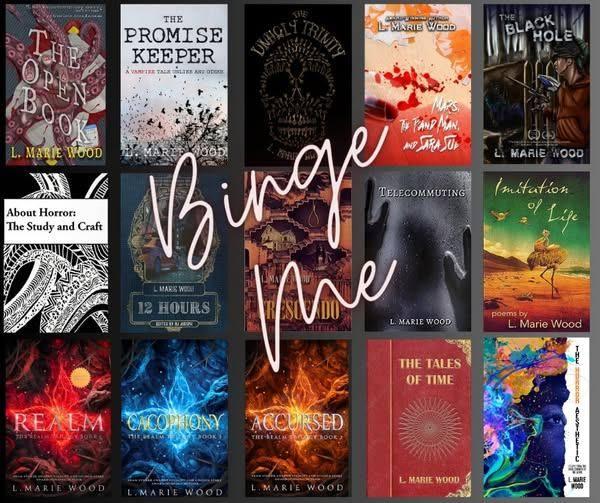
Have you finished shopping? No? (me neither, but shhh!) I have an idea for you… give the gift of books!! They are a fantastic way to indiulge the book lover in your life. I have a few you might like:

Just for fun, buy a book box and I will put together a surprise for you. Every box will have at least 3 things – ALL SIGNED – and a gift. Click here or the picture to pick yours up today!

Have a wonderful holiday, however you celebrate!

Until next time…

L. Marie

Conversations with Horror Film Directors on Creating Terror

Image created in Canva.

Making a horror film that really terrifies an audience is no small job. It’s a delicate balance of tapping into deep-seated terrors, telling a compelling story, and using technical elements to manipulate emotions. Horror film directors are like maestros of fear, orchestrating every element to leave viewers jumping out of their seats—or losing sleep for days. To explore this dark art, we turn to conversations with some of the best minds in the genre. Here’s what these masters of horror have to say about crafting fear on screen.

The Psychology of Fear: Understanding What Terrifies Us

What scares folks most? Horror directors know the answer lies in understanding our universal fears. John Carpenter, the genius behind Halloween and The Thing, believes horror reflects society’s anxieties. In an interview with The New Yorker, Carpenter explained, “Horror is a reaction; it’s a way of dealing with the unexplainable.” Whether it’s fear of isolation, the unknown, or losing control, horror directors weave these themes into their films, creating stories that resonate on a primal level​.

Ari Aster, director of Hereditary and Midsommar, dives even deeper into psychological trauma. His films explore grief, family dynamics, and how emotional pain can manifest as literal horror. Aster says, “If you can make the horror personal, it becomes inescapable. You can’t just close your eyes to it—it’s already inside you.” This focus on relatable, human terrors makes his work both scary and unforgettable.

Building Unease Through Atmosphere

A horror movie is nothing without atmosphere. The way a scene looks, feels, and even sounds can make all the difference in a horror movie. Curtis Harrington, director of Night Tide, once said, “A mood that lingers is what truly haunts the viewer.” This is achieved through clever cinematography—low lighting, long shadows, and unsettling camera angles that make you feel like you’re being watched​.

James Wan, known for The Conjuring series, is a master of using space to create tension. He explains that it’s not just about jump scares. “It’s about anticipation. If you build suspense, you don’t even need to show the monster—the fear is already there.” By showing just enough and letting the audience’s imagination fill in the blanks, Wan keeps viewers on the edge of their seats throughout the film.

The Role of Sound in Horror: More Than What You See

If you think horror is all about what you see, think again. Sound is one of the most powerful tools for creating terror. Jeffrey Reddick, creator of the Final Destination series, credits sound design with making or breaking a scare. “A single eerie creak or the absence of sound altogether can raise the tension tenfold,” he says​.

Consider A Quiet Place, where silence becomes both a tool and a weapon. Director John Krasinski turned sound into a central character. The absence of noise draws viewers into the characters’ horror, while sudden, sharp sounds jolt them out of their seats. This innovative approach proves that less can sometimes be more when it comes to horror.

Practical Effects vs. CGI: Keeping It Real

While CGI has made many things possible, practical effects remain a staple in horror movies. David Charbonier and Justin Powell, directors of The Boy Behind the Door, swear by practical effects for authenticity. “There’s something visceral about seeing real, tangible scares on screen,” they argue. “It hits differently than digital effects.” Think of classics like The Exorcist—its rotating head and pea soup vomit are legendary precisely because they were done practically​.

Modern films like The Babadook continue to use practical effects to stunning results. Director Jennifer Kent kept her titular monster grounded in real-world design, making it both believable and deeply unsettling.

Character Development: Making the Audience Care

Good horror isn’t just about scares—it’s about the people experiencing them. Warren Dudley, director of Fright, emphasizes that well-written characters are essential. “If the audience cares about the characters, their fear becomes real,” he says​. Films like Get Out and The Descent showcase this beautifully, making you root for the protagonists while dreading what comes next.

Jordan Peele, the visionary behind Get Out and Us, excels at this. By creating relatable characters and placing them in terrifying situations, Peele keeps viewers emotionally invested, ensuring the scares hit harder.

Innovative Storytelling: Going Beyond the Jump Scare

Horror as a genre has evolved, and today’s filmmakers are finding new ways to tell scary stories. Scott Beck and Bryan Woods, co-writers of A Quiet Place, explore existential fears alongside traditional scares. “Horror can be layered,” they explain. “It’s not just about the immediate terror—it’s about the dread that lingers after the credits roll.” This approach has given rise to “elevated horror,” where scares are intertwined with deeper themes like grief, identity, and social commentary​.

Horror as a Reflection of Society

Many horror films serve as mirrors to societal fears. From the Cold War paranoia in Invasion of the Body Snatchers to the social commentary in Candyman, directors use horror to address contemporary anxieties. Pascal Plante, director of Red Rooms, explores themes of voyeurism and digital addiction, tackling fears unique to our internet age. “Horror is a way to process the unsettling parts of modern life,” he explains​.

The Future of Horror: What’s Next?

The horror genre is constantly reinventing itself. Mike Flanagan, director of The Haunting of Hill House and Midnight Mass, believes horror’s future lies in its storytelling. “We’re moving beyond the monster,” he says. “It’s about exploring the horrors of being human.” Flanagan’s work often blends supernatural elements with real-world struggles like addiction and grief, offering a more nuanced take on the genre​.

Emerging directors are also experimenting with technology. Virtual reality horror experiences are on the rise, offering audiences an immersive way to confront their fears. The boundary between film and gaming is blurring, promising a future where horror becomes even more personal—and terrifying.

Final Thoughts: The Art of Fear

Horror films are more than just scares—they’re a reflection of our deepest fears and a testament to the creativity of their makers. Through a mix of psychological insight, technical mastery, and storytelling innovation, directors continue to push the boundaries of what’s possible. Whether it’s the unnerving silence of A Quiet Place, the social commentary of Get Out, or the atmospheric dread of The Conjuring, horror remains a genre that evolves while staying true to its roots.
If you’re a fan of horror, take a moment to appreciate the craft behind the scares. These directors are more than filmmakers—they’re architects of fear, building worlds designed to haunt our dreams.

Love what you just read? Pin it for later and share the inspiration! Click the image below post this pin to your favorite board and help others discover it too. 😊📌

Sources:

  1. https://www.newyorker.com/culture/the-new-yorker-interview/john-carpenter-is-still-scary
  2. https://www.newyorker.com/magazine/1980/01/28/people-start-running
  3. https://www.theguardian.com/film/2019/jun/28/horror-director-ari-aster-hereditary-midsommar-terrors
  4. http://www.terrortrap.com/interviews/curtisharrington/
  5. https://variety.com/2021/film/reviews/the-conjuring-the-devil-made-me-do-it-review-patrick-wilson-vera-farmiga-1234985235/
  6. https://www.hollywoodreporter.com/tv/tv-features/war-conjuring-disturbing-claims-behind-a-billion-dollar-franchise-1064364/
  7. https://collider.com/final-destination-jeff-reddick-favorite-performance-comments/
  8. https://www.nme.com/features/film-interviews/ari-aster-interview-beau-is-afraid-horror-3444684
  9. https://www.newyorker.com/culture/richard-brody/the-silently-regressive-politics-of-a-quiet-place
  10. https://bloody-disgusting.com/reviews/3834557/push-review-the-boy-behind-the-door-filmmakers-unleash-more-mature-horror/
  11. https://www.theatlantic.com/podcasts/archive/2023/10/what-scares-jordan-peele/675777/
  12. https://variety.com/2020/film/news/quiet-place-scott-beck-bryan-woods-sam-raimi-sony-1234596803/
  13. https://ew.com/tv/midnight-mass-mike-flanagan-journey/
  14. https://borrowingtape.com/interviews/red-rooms-interview-with-film-writer-director-pascal-plante

… And just like that…

It’s awards season again! I’ve had the honor of being included in some amazing magazines and anthologies this year, as well as had a few of my solo projects release.

If you are part of the voting membership in the Horror Writers Association (Stoker Awards), the Science Fiction and Fantasy Writers Association (Nebula), and the Science Fiction Poetry Association (Elgin, Rhysling), this information might be of interest to you. The following works are eligible this year:

Long Non-Fiction (HWA):

Title: The Horror Aesthetic: Essays from the Dark Corners of the Genre

Publisher: Mocha Memoirs Books           

Date: October 2024

Short Non-Fiction (HWA): 

Title: Blacks in Horror and Cultivated Bias

Anthology/Volume: No More Haunted Dolls: Horror Fiction that Transcends the Tropes

Publisher: Vernon Press   

Date: May 2024

Title: Why A Quiet Place: Day One is the Perfect Movie – Horror or Otherwise

Publisher: NightTide Magazine

Date: July 2024

Long Fiction (Novella) (HWA, SFWA):

Title: 12 Hours

Publisher: Raw Dog Screaming Press

Date: January 2024

Poetry (HWA, SFPA – Elgin, SFWA):

Title: Imitation of Life

Publisher: Falstaff Books   

Date: April 2024

Poem (SFPA – Rhysling):

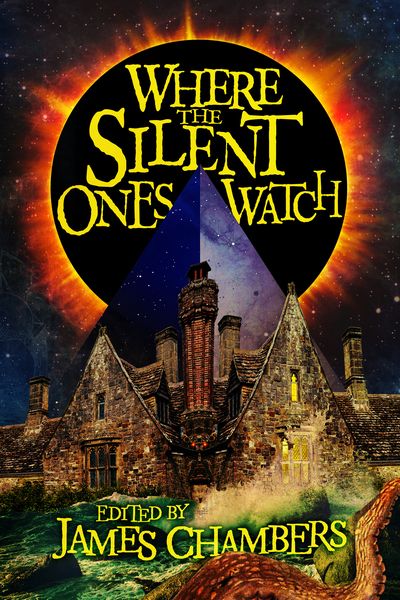
Title: This House

Anthology: Where the Silent Ones Watch

Publisher: Hippocampus Press

Date: October 2024

Short Fiction (HWA, SFWA): 

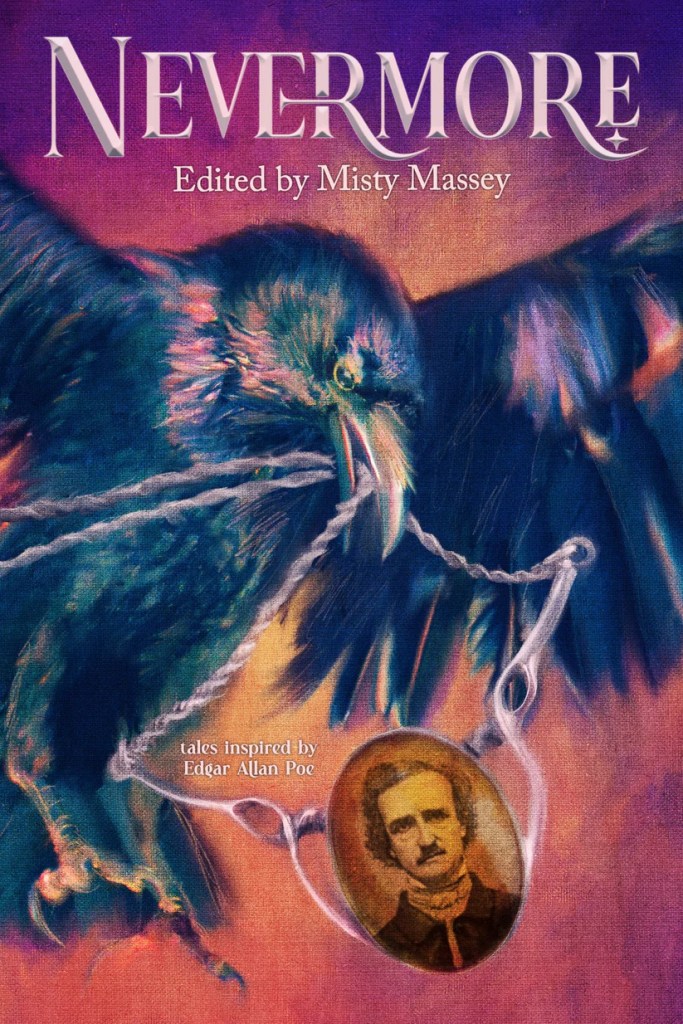
Title: “Amore”

He watches. He waits. He sees. He prepares.

Anthology: Nevermore

Publisher: Falstaff Books

Date: April 2024

Title: “Beggars Can’t be Choosers”

They’re here.  They’re ready to consume. And he’s ready to feed them.

Anthology: Beyond the Bounds of Infinity

Publisher: Raw Dog Screaming Press

Date: July 2024

Title: “Jacob Street”

A couple’s response to confusion, loss, and a creeping darkness.

Publisher: Magazine of Fantasy and Science Fiction

Date: August 2024

Title: “The Facility”

Like a sentinel, it has always been there, until one day…

Publisher: House of Gamut

Date: August 2024

Title: “Model Home”

What goes on in the model home after closing, stays in the model home… right?

Publisher: Sudden Fiction Podcast

Date: August 2024

Title: “Real Science Shit”

That’s one way to do it…

Anthology: Dark Spores: Stories We Tell After Midnight 4

Publisher: Crone Girl Press

Date: December 2024

Comment if you would like to receive a copy for consideration.

Thanks folks!

Until next time,

L. Marie Wood

Whatchu Know About This? 13

Writer and professor, Lisa Wood, offers a comprehensive deep dive into the study of horror fiction. With importance placed on knowing the history of the genre and how integral to storytelling research is, this textbook will serve as a referenceable guide for anyone interested in writing in the horror genre. This work, which is accessible and detailed at the same time, offers
practical scenarios and industry secrets alongside subgenre review and creative writing instruction.

This textbook gives you the tools you need to craft horror fiction that will challenge the reader as well as frighten them.

BUY NOW!