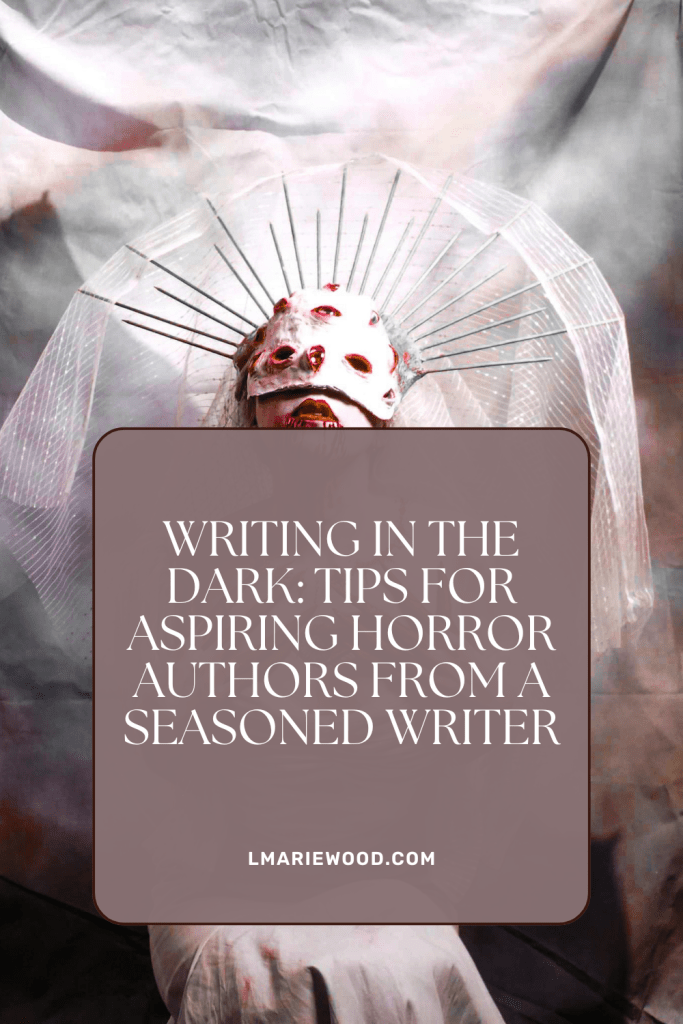
So, you want to delve into the dark arts of horror writing, do you? Well, you’ve come to the right crypt. Crafting tales that chill the spine and curdle the blood is no small feat, but fear not! As a seasoned writer who’s spent countless nights conversing with the shadows, I’m here to light your way with some eerie enlightenment. Let’s unearth some tips to help you write horror that haunts your readers long after they’ve turned the last page.
1. Embrace the Darkness Within
First off, don’t shy away from exploring your own fears. Horror writing is a deeply personal journey into the things that terrify us. What keeps you up at night? Is it the thought of what lurks in the shadows? The idea of losing your mind? Dive deep into those fears and use them as a foundation for your stories. Remember, if it scares you, it’s likely to scare someone else too.
2. Build Atmosphere
Atmosphere is the lifeblood of horror. It’s not just about the setting, but the mood you create. Whether it’s a creepy old house, a fog-shrouded graveyard, or the seemingly mundane suburban home with a dark secret, your setting should breathe unease. Use sensory details to immerse your readers—let them hear the floorboards creak, feel the chill in the air, and see the flicker of shadows at the edge of their vision.
3. Understand the Horror Genre
Horror is a genre rich with subgenres and history. From Gothic horror to psychological thrillers, body horror to cosmic horror, understanding the nuances of these subgenres can help you find your niche. Read widely within the genre—both classics and contemporary works. See how different authors evoke fear and use their techniques as a springboard for your own creations.
4. Master the Art of Pacing
Pacing is crucial in horror. The slow build-up of tension, the sudden shocks, and the moments of dread all rely on pacing. Learn when to hold back and when to unleash the horror. Sometimes, the anticipation of horror is just as powerful as the reveal. A well-timed scare can turn a creepy story into an unforgettable nightmare.
5. Create Compelling Characters
Your readers need to care about your characters if they’re going to fear for them. Make your characters relatable, flawed, and real. Their fears, desires, and reactions should be believable and compelling. Remember, the best horror often explores the horror within us—the darkness of the human psyche.
6. Don’t Forget the Theme
Great horror often explores deeper themes—questions of existence, morality, and humanity. What are you trying to communicate to readers with your story? Perhaps it’s a commentary on societal fears, personal demons, or existential dread. A strong theme can elevate your horror story from a simple scare to a thought-provoking exploration of fear.
7. Learn from the Masters
Finally, study the work of master horror writers. Analyze how Stephen King builds tension or how Shirley Jackson creates an oppressive atmosphere. Read interviews, essays, and analyses to understand their thought processes and techniques. Each writer has a unique way of scaring their readers—find what resonates with you and learn from it.
Wrapping It Up
Writing horror is a journey into the unknown, a chance to explore the darkest corners of the human experience. Use these tips as your guide, but remember, the most important thing is to find your own voice in the darkness. Now, grab your pen, turn down the lights, and start writing. The world is eager for new nightmares.
References
- King, Stephen. On Writing: A Memoir of the Craft. Scribner, 2000.
- Jackson, Shirley. The Haunting of Hill House. Viking, 1959.
- Blackwood, Algernon. The Complete John Silence Stories. Dover Publications, 1998. Algernon Blackwood’s character, John Silence, Doctor of Psychical Investigation, is central to some of the most profound and eerie explorations of the supernatural and the unknown.
- Poe, Edgar Allan. The Complete Tales and Poems. Vintage, 1975.
- Barker, Clive. Books of Blood. Sphere, 1984.
- Shelley, Mary. Frankenstein. Lackington, Hughes, Harding, Mavor & Jones, 1818.
- Campbell, Ramsey. Alone with the Horrors: The Great Short Fiction of Ramsey Campbell 1961-1991. Arkham House, 1993.
 L. Marie Wood