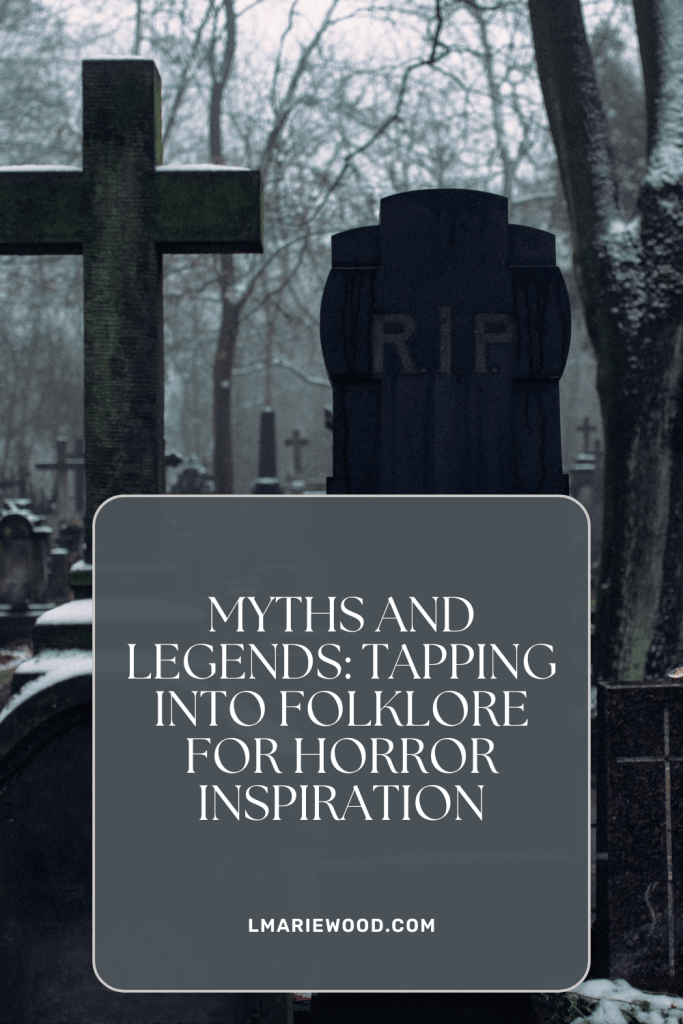
Throughout history, myths and legends have served as the backbone of cultural storytelling, conveying societal values, fears, and the mysteries of the unknown. These ancient tales, often passed down through generations, have a unique power to resonate with our deepest emotions and primal fears. In the realm of horror, folklore becomes a particularly potent tool, allowing writers and filmmakers to tap into these age-old stories to craft narratives that are both familiar and terrifying.
The connection between folklore and horror is not just a matter of historical curiosity—it’s a dynamic relationship that continues to shape the genre today. From the sinister woods of Eastern Europe, home to the bloodthirsty strigoi, to the eerie Pine Barrens of New Jersey, haunted by the legendary Jersey Devil, these stories have left an indelible mark on the collective imagination. By drawing on these rich traditions, modern horror creators can evoke timeless fears while also bringing new life to these ancient tales.
This blog post explores how myths and legends provide fertile ground for horror inspiration. We’ll delve into the ways in which folklore has influenced some of the most chilling stories and films in the genre, and offer insights into how you can harness these powerful narratives to create your own haunting tales.
The Role of Folklore in Shaping Horror
Ancient Roots: Folklore has been an essential element in storytelling across cultures for centuries, and its impact on the horror genre is undeniable. Many of the fears that we see today in horror narratives have their roots in ancient myths and legends. These stories often explain the unexplainable—whether it’s the mysteries of death, the afterlife, or the malevolent forces of nature. For instance, the Slavic legend of Baba Yaga, a fearsome witch-like figure, has permeated various forms of literature and film, influencing characters that embody the same terrifying traits.
Cultural Resonance: Different cultures have their own unique myths that tap into specific societal fears and anxieties. In Japanese folklore, the yūrei, or vengeful spirits, are a recurring theme in horror, reflecting cultural attitudes towards death and the afterlife. Similarly, in Mexican folklore, La Llorona, the weeping woman, symbolizes both maternal grief and the consequences of actions driven by overwhelming emotions. These stories resonate deeply within their cultures, but their universal themes make them adaptable to horror across the globe.
Modern Adaptations: As the horror genre evolves, so do the ways in which these ancient tales are adapted to suit contemporary audiences. Modern filmmakers and authors often reinterpret these myths, adding layers of complexity that reflect current societal concerns. A prime example is the film Midsommar, which draws heavily from Scandinavian folklore, particularly the legend of the Hårga, a village that dances itself to death under the influence of a malevolent force. This folklore is intertwined with modern themes of isolation and psychological distress, creating a narrative that is both rooted in tradition and relevant to today’s audience.
By drawing on these rich traditions, horror creators can evoke the timeless fears that have haunted humanity for generations, while also crafting new stories that speak to contemporary issues. Whether through direct adaptation or thematic inspiration, folklore remains a powerful tool in the horror genre, offering a deep well of material that can be endlessly reimagined.
Examples of Horror Stories Inspired by Folklore
Victorian England and the Great God Pan: Arthur Machen’s The Great God Pan is a quintessential example of how horror draws from ancient mythology. In this novella, Machen taps into Greek myth, particularly the figure of Pan, to explore the terrifying boundaries of human perception and the unknown. Set in Victorian England, the story merges the period’s fascination with the supernatural and scientific exploration, creating a narrative that is both eerie and thought-provoking. The horror in Machen’s work stems from the unsettling idea that there are things beyond human comprehension—echoing the ancient fear of the gods and their unknowable power.
Slavic Folklore in Modern Literature: David Demchuk’s The Bone Mother beautifully weaves together Slavic folklore with the horror of historical trauma. Set during the dark times of World War II, the novel introduces readers to mythical creatures from Eastern European legends, such as the rusalka and the strigoi. By placing these ancient beings in a modern narrative, Demchuk not only revives these legends but also uses them to explore deeper themes of survival and fear. The blend of folklore and historical context enhances the horror, making it both culturally resonant and universally unsettling.
Folklore in Cinema: Folklore has also had a profound influence on horror films. The silent film Haxan (1922) is a notable example, examining the folklore surrounding witches and the societal fears that fueled witch hunts. This film combines dramatic reenactments with a documentary-style exploration, offering a chilling insight into how superstition and fear can lead to societal atrocities. More recently, Midsommar (2019) drew from Scandinavian traditions to craft a horror story that is both visually striking and deeply rooted in pagan rituals. The film’s depiction of an isolated village’s midsummer festival, with its unsettling blend of beauty and horror, showcases how folklore can be reinterpreted to evoke contemporary fears.
Techniques for Integrating Folklore into Horror Writing
Adapting Traditional Elements: When it comes to integrating folklore into horror writing, one of the most effective techniques is to adapt traditional elements from these stories into new and unexpected contexts. This can involve taking a well-known myth or legend and placing it in a modern setting or reimagining it with a twist that subverts audience expectations. For example, the traditional figure of the werewolf, rooted in European folklore, can be transformed into a more complex character by blending the creature’s primal nature with modern psychological themes such as identity and control. By altering key aspects of a myth while maintaining its core elements, writers can breathe new life into these ancient stories, making them relevant to contemporary audiences.
Symbolism and Metaphor: Folklore is rich with symbolism and metaphor, which can be used to add depth and meaning to horror narratives. For instance, the figure of the witch in folklore often symbolizes the fear of female power and independence, a theme that can be explored in various ways in horror writing. By using these symbols, writers can tap into the subconscious fears and anxieties that these figures represent. The Mexican legend of La Llorona, for example, is not only a ghost story but also a metaphor for maternal grief and guilt. Incorporating these symbolic elements allows writers to create stories that resonate on a deeper, more emotional level, amplifying the horror through layers of meaning.
Cultural Authenticity: While it’s important to creatively adapt folklore, maintaining cultural authenticity is equally crucial. When borrowing from myths and legends of a particular culture, it’s essential to approach these stories with respect and understanding. This involves researching the cultural context in which the folklore originated and being mindful of its significance. For example, when writing about Native American legends, it’s important to avoid stereotypes and misrepresentations, instead focusing on the nuances of the culture’s beliefs and practices. Authenticity not only enriches the narrative but also ensures that the folklore is represented accurately and respectfully.
Incorporating these techniques into your horror writing allows you to draw on the rich tradition of folklore while creating stories that feel fresh and original. By blending traditional elements with modern themes, using symbolism and metaphor, and maintaining cultural authenticity, you can craft horror narratives that are both terrifying and deeply resonant.
The Psychological Impact of Folklore in Horror
Primal Fears: One of the reasons folklore is so effective in horror is its ability to tap into primal fears that have existed since ancient times. These fears—of the dark, of death, of the unknown—are universal and deeply embedded in the human psyche. Folklore often embodies these fears in the form of monsters, spirits, and curses that prey on the vulnerable aspects of human nature. For example, the Slavic legend of the strigoi, a vampiric creature that drains the life force from its victims, plays on the fear of death and the corruption of the soul, making it a powerful tool for horror writers to explore themes of mortality and the afterlife.
Cultural Archetypes: Folklore is rich with archetypal characters and narratives that resonate across different cultures, adding another layer to their psychological impact in horror. These archetypes—such as the trickster, the malevolent spirit, or the avenging ghost—embody universal human experiences and emotions. The trickster, for example, often represents chaos and unpredictability, serving as a catalyst for fear and tension in a story. By using these archetypes, horror writers can create characters and situations that are immediately recognizable and relatable, even to audiences from different cultural backgrounds. This familiarity allows the horror to penetrate deeper, as it connects with the audience on a fundamental, almost instinctual level.
Case Studies: Several horror stories and films have successfully used folklore to evoke a strong psychological response from their audiences. For instance, the Mexican legend of La Llorona has been adapted into various horror films, each time exploring different aspects of maternal fear and grief. The story of a mother who drowns her children and is cursed to search for them eternally as a ghost taps into fears of loss, guilt, and the consequences of one’s actions. This legend’s enduring power lies in its ability to evoke empathy and terror simultaneously, as audiences can relate to the profound sadness and horror of the character’s plight.
Similarly, the folklore surrounding the Jersey Devil, a creature said to haunt the Pine Barrens of New Jersey, has been used in both literature and film to explore themes of isolation and fear of the unknown. The creature’s origins in local legend, combined with its terrifying physical description, create a potent symbol of the dangers lurking in unexplored or misunderstood territories. These stories leverage the psychological impact of folklore to create horror that feels both deeply personal and universally terrifying.
By understanding and harnessing the psychological impact of folklore, horror writers can create stories that resonate on a deeper level, tapping into the fears and emotions that have haunted humanity for centuries. Whether through primal fears, cultural archetypes, or carefully crafted narratives, folklore remains an essential tool for evoking true terror.
Folklore has been a wellspring of inspiration for the horror genre, offering rich narratives and deeply rooted fears that transcend time and culture. By tapping into these ancient myths and legends, horror writers can craft stories that are both timeless and terrifying, resonating with audiences on a primal level. Whether it’s through the adaptation of traditional elements, the use of symbolic archetypes, or the careful consideration of cultural authenticity, folklore provides a unique and powerful framework for horror storytelling.
As we’ve explored, the psychological impact of these tales—rooted in primal fears and cultural archetypes—continues to captivate and horrify. By understanding the techniques and strategies for integrating folklore into horror, writers can harness the full potential of these ancient stories, creating narratives that are both hauntingly familiar and refreshingly original.
The enduring appeal of folklore in horror lies in its ability to connect with the deepest parts of our psyche, evoking fears that have haunted humanity for centuries. As you embark on your journey to create horror inspired by myths and legends, remember that these stories are not just relics of the past—they are living, breathing entities that continue to shape our understanding of fear and the unknown. So, delve into the folklore that resonates with you, and let these ancient tales guide you in crafting your own spine-chilling horror stories.
By doing so, you’ll not only keep these powerful narratives alive but also contribute to the ever-evolving tapestry of horror storytelling.
 L. Marie Wood