And it’s time to jump right in!
What are your resolutions? What are your goals? I try not to make unrealistic ones anymore – I mean, I know I’m not going to work out 7 days a week anymore, and I keep them to just a few. This year my goal is to sit back and smell the roses a bit.
Heh.
This year I have 12 major releases happening. (!!!!!) Almost one every month… really. Get ready y’all – there are major goodies to add to your TBR list:
January

The cabbie only remembers taking a break, pulling over in an alley to catch both his breath and the sunrise. His windshield shatters, and two people dash away. He tries to scream, to move, but his neck won’t turn. He can only stare at the cab’s dirty ceiling. Finally, a deliveryman calls the cops. Surely, they’ll arrive soon, but we’re pinned in place right along with him as he tries to puzzle it all out.
In this second installment of the CSAP novella series, award-winning author L. Marie Wood uses her descriptive powers to bring us fully into one incident in a person’s life, and hold us there, transfixed, until we see it all, crystal clear.

Audio versions of this fast-paced trilogy!
February
The Promise Keeper – Re-released with a new cover! Not that one – COMING SOON!

Crescendo – A return of the classic!

March
Surprise! From The Open Book Universe, poetry… Imitation of Life. Stay tuned!
April
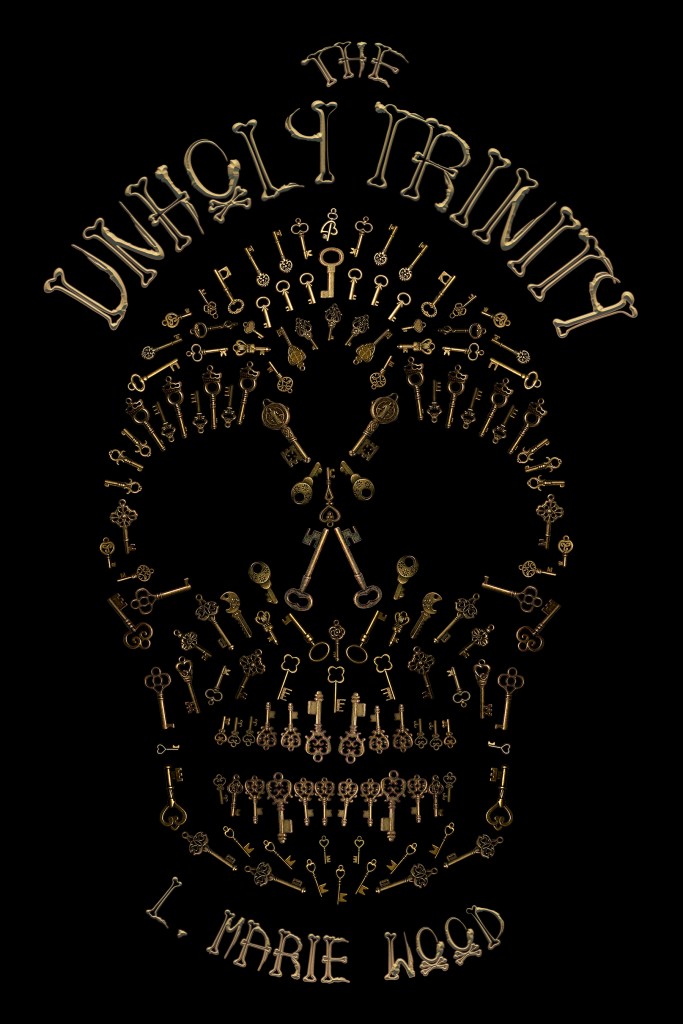
Stories from back in time, ones that bump and groan in the shadows and raise an icy finger to stroke your spine… Stay tuned!
May
Mars, The Band Man, and Sarah Sue – The cozy mystery you only think you heard about (Jedi mind trick – indulge me). Re-released with a new cover… again, not this one! :-)

June
“Oooooooohhhhhhh” The Lost Stories… Mwahahahaha!!! Sound creepy? Well, it is. Part of The Open Book Universe. Stay tuned!
September
Another from The Open Book Universe. It’s scary in there, y’all. Stay tuned!
October
Brewing something amazing for you – could be short tales, could be some heady non-fiction… Stay tuned!
!!!!!!!!
I can’t wait to bring these to to you!
And now, here’s a little something to take with you as you go on your day. Just a little light reading, if you ever wanted to know about horror monsters. :-)
These critters have been creeping around in our minds for ages, morphing from the ghostly figures of the 1800s to the high-tech terrors we see in movies today. It’s not just about scaring us silly; it’s a peek into our collective fears and how they’ve changed with time and tech.
Back in the day, with gothic novels like Mary Shelley’s “Frankenstein” and Bram Stoker’s “Dracula,” horror got its first superstars. These stories, rooted in folklore and the worries of their time, really set the stage for why we love a good scare.
Then came movies. With flicks like “Nosferatu” and “Frankenstein,” our nightmares got a face, literally. This was the era of the Universal Monsters, cinema’s first big horror icons. But here’s the thing: these monsters are more than just for scares. They’re like a mirror, showing us what freaked people out back in the day, from Cold War jitters to the slashers of later years. So, let’s take a stroll down this monster lane and see how our fears have shaped these creatures, from spooky ghosts to mind-bending horrors.
The Early Years of Horror (Late 1800s to 1930s)
The Birth of the Gothic Monster
Horror’s roots are deep in gothic literature. Think dark, eerie vibes. “Frankenstein” and “Dracula” were the trendsetters. These tales, with their moral questions and spooky settings, really got the horror ball rolling.
Universal Monsters: The Dawn of Horror Cinema
When horror hit the big screen, Universal Pictures was the trendsetter. They gave us classics like Dracula and the Wolf Man. These films were more than just popcorn fun; they reflected the fears and issues of their times, like the fear of the unknown.
Characteristics and Influence
The monsters back then were all about the supernatural and tragic tales. The makeup and effects were groundbreaking and set the tone for horror for ages. These films dug into deep topics like human nature and the scary side of science.
As time marched on, so did our monsters. From gothic roots to Universal Monsters, they evolved with our changing fears and times.
Post-War Monsters and the Atomic Age (1940s to 1950s)
The Rise of Science Fiction Horror
After World War II, horror took a sci-fi turn. We’re talking alien invasions and atomic mutations, mirroring the era’s nuclear fears. Films like “Godzilla” and “The Thing from Another World” reflected the anxieties of their time.
These monsters were often atomic freaks of nature, showcasing our worries about nuclear power and science gone wrong. The stories often mirrored real-life struggles with these new, scary technologies.
This era broadened horror’s scope, blending supernatural scares with science-based horrors. It’s why modern horror loves to mix in sci-fi elements.
The Slasher and Supernatural Boom (1980s)
Emergence of the Slasher Genre
The ’80s brought us the slasher film. Think masked killers and lots of suspense. “Halloween,” “A Nightmare on Elm Street,” and “Friday the 13th” led the charge. These films were all about the thrills and chills, with a final survivor usually making it through.
Alongside slashers, supernatural horror made a comeback with flicks like “The Evil Dead” and “Poltergeist.” These films brought back the classic ghostly elements but with a modern twist.
The ’80s were big for special effects, making monsters more realistic and scarier. This era pushed the limits of what horror could show.
The horror of the ’80s mirrored the times, with themes like fear of strangers and distrust of authority. It was a decade that reshaped horror’s look and feel.
Modern Horror and Diverse Fears (1990s to Present)
The Diversification of Horror Genres and Monster Archetypes
From the ’90s onward, horror got really diverse. Psychological thrillers like Black Swan and Get Out brought in new themes like identity and social fears. Horror became more about mind games than just jumpscares.
Global films and new tech changed the game. Asian horror brought new styles and stories (kaiju, anyone?), and digital effects made monsters more convincing than ever.
Today’s horror is all about current fears, from tech worries to societal changes. Films like Hereditary and Get Out use horror to dig into deeper societal issues.
From the ’90s to now, horror keeps evolving, staying relevant by tapping into our changing fears and tech. Whether it’s supernatural scares or psychological twists, modern horror keeps us on the edge of our seats.
Tracing horror from its early days to modern times shows how flexible and timeless the genre is. These monsters are more than just scary; they’re a reflection of our deepest worries and fears. From gothic horrors to modern psychological terrors, they’ve always mirrored the times. As our world changes, so do our fears and the monsters that embody them. The future of horror will surely bring new scares, but one thing’s for sure: our fascination with fear isn’t going anywhere.
The research, if you wanted to check out more details:
1. The Evolution of Classic Horror Characters https://www.invaluable.com/blog/horror-characters/
- The Evolution of the Horror Movie https://www.novelsuspects.com/articles/the-evolution-of-the-horror-movie/
- Horror Movie Evolution: From Classic Monsters to Psychological https://blog.shortfundly.com/movies/horror-movie-evolution-from-classic-monsters-to-psychological-thrillers/
- The Origins of Horror: Exploring Fear in Literature and Film https://choose-your-adventure.com/guides/genre-spotlights/the-origins-of-horror-exploring-fear-in-literature-and-film
Until next time…
L. Marie
 L. Marie Wood